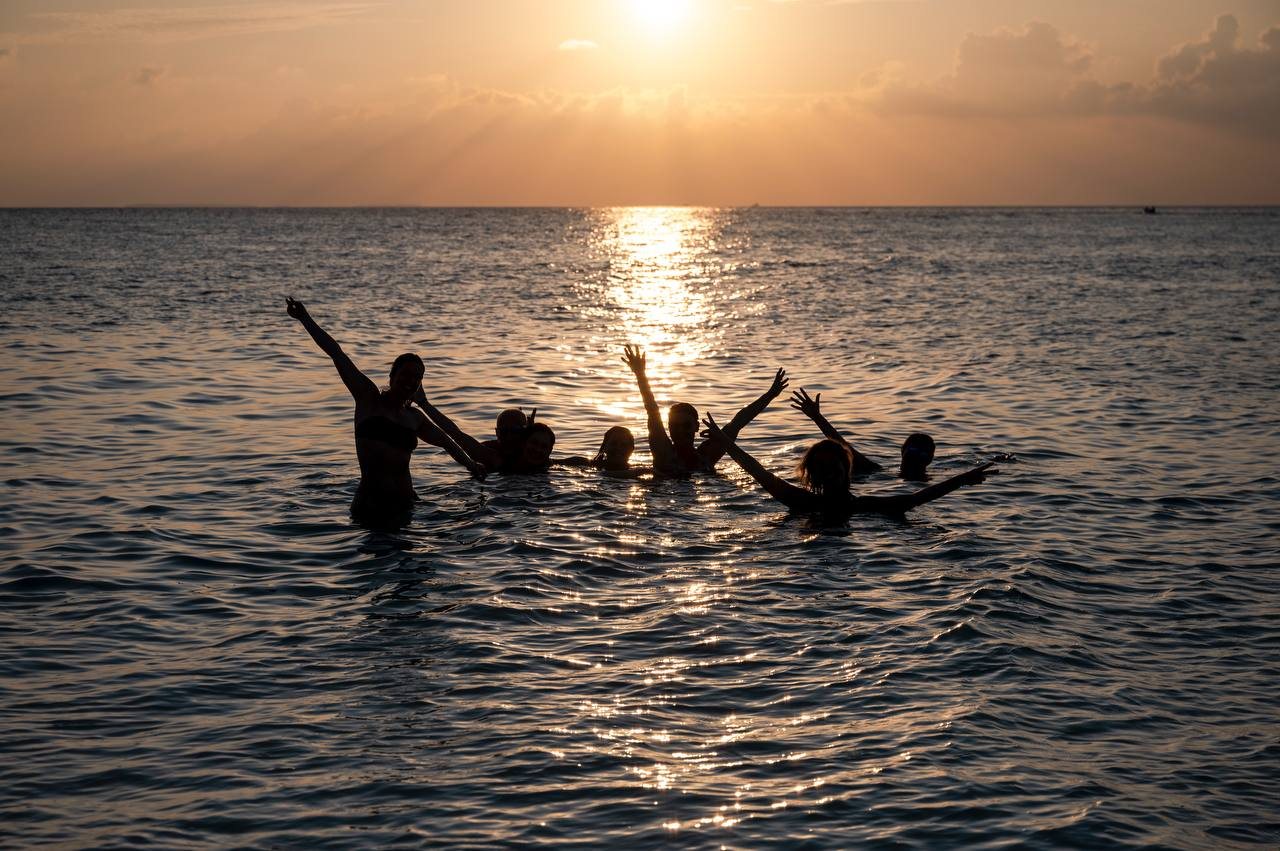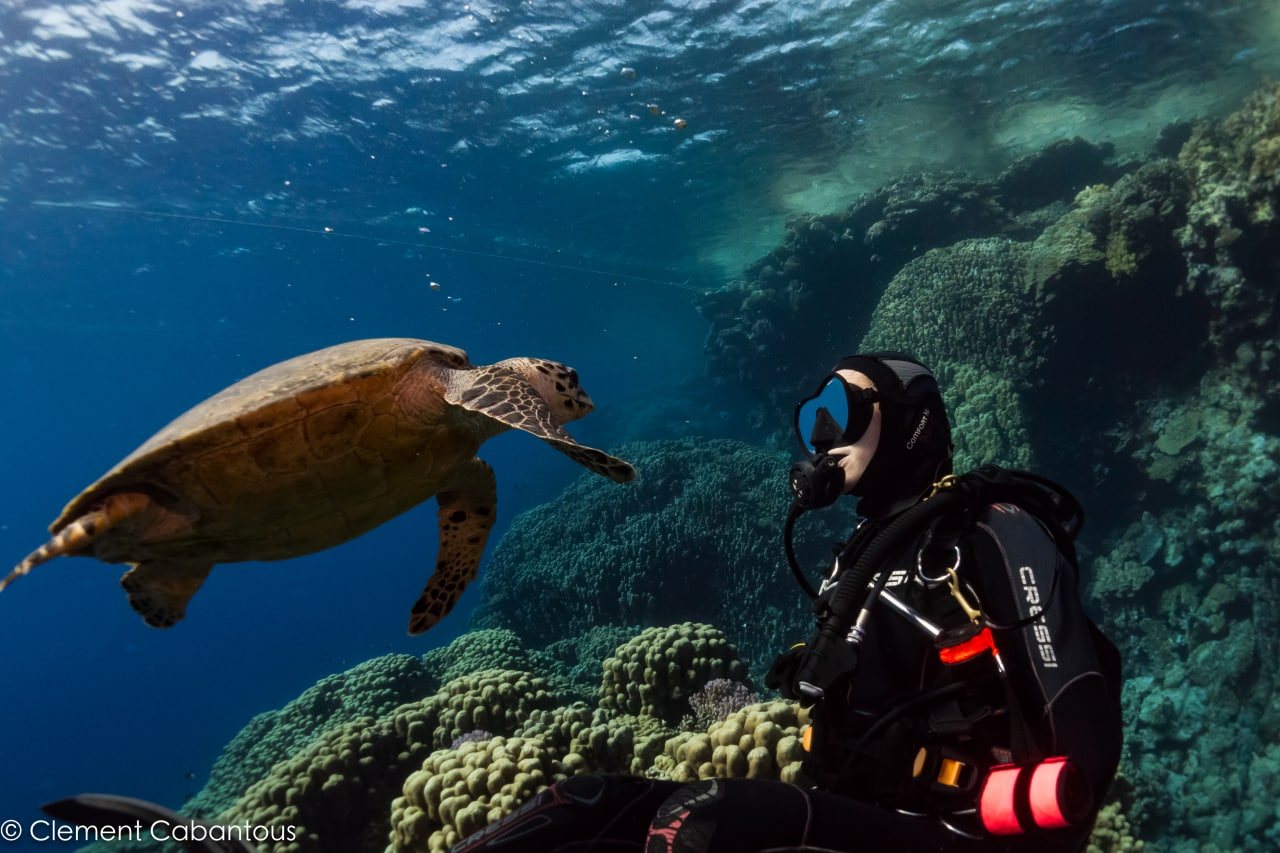
For much of its history, scuba diving followed a familiar rhythm. Divers travelled with a single purpose: explore reefs, log dives, and chase encounters with the ocean’s wildlife. Liveaboard trips were built around early mornings, several dives a day, and tight schedules for committed divers.
Today, that model is quietly changing.
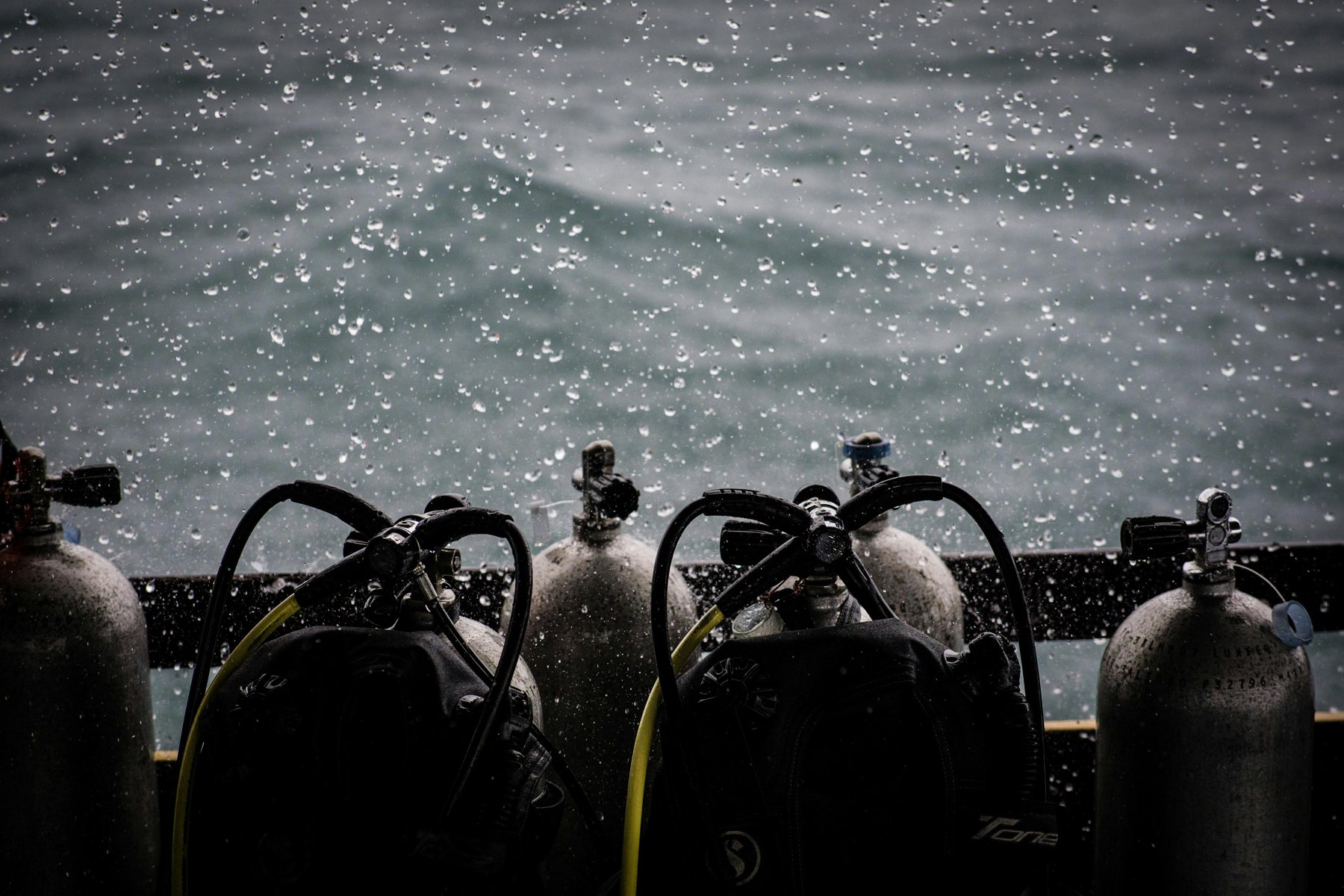
A new generation of travelers — Generation Z and younger millennials — is reshaping how adventure is experienced. Research from Eventbrite found around 78% of millennials and Gen Z prefer spending on experiences over material goods. The Adventure Travel Trade Association reports adventure travel is growing about 65% faster than general tourism.
The shift
For Gen Z, adventure is something to share
The diving world is still substantial — PADI alone has issued more than 29 million certifications, and dive tourism generates an estimated $3–4 billion a year. But expectations are shifting. For younger travelers, adventure is not only experienced privately; it is documented and shared.
Diving becomes content. Travel becomes storytelling.
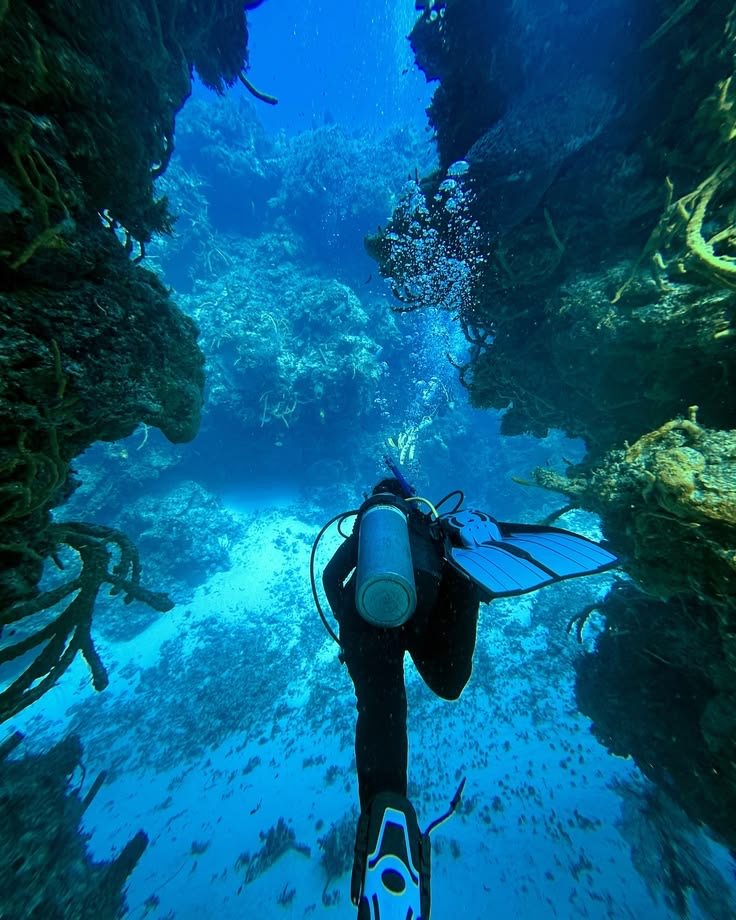
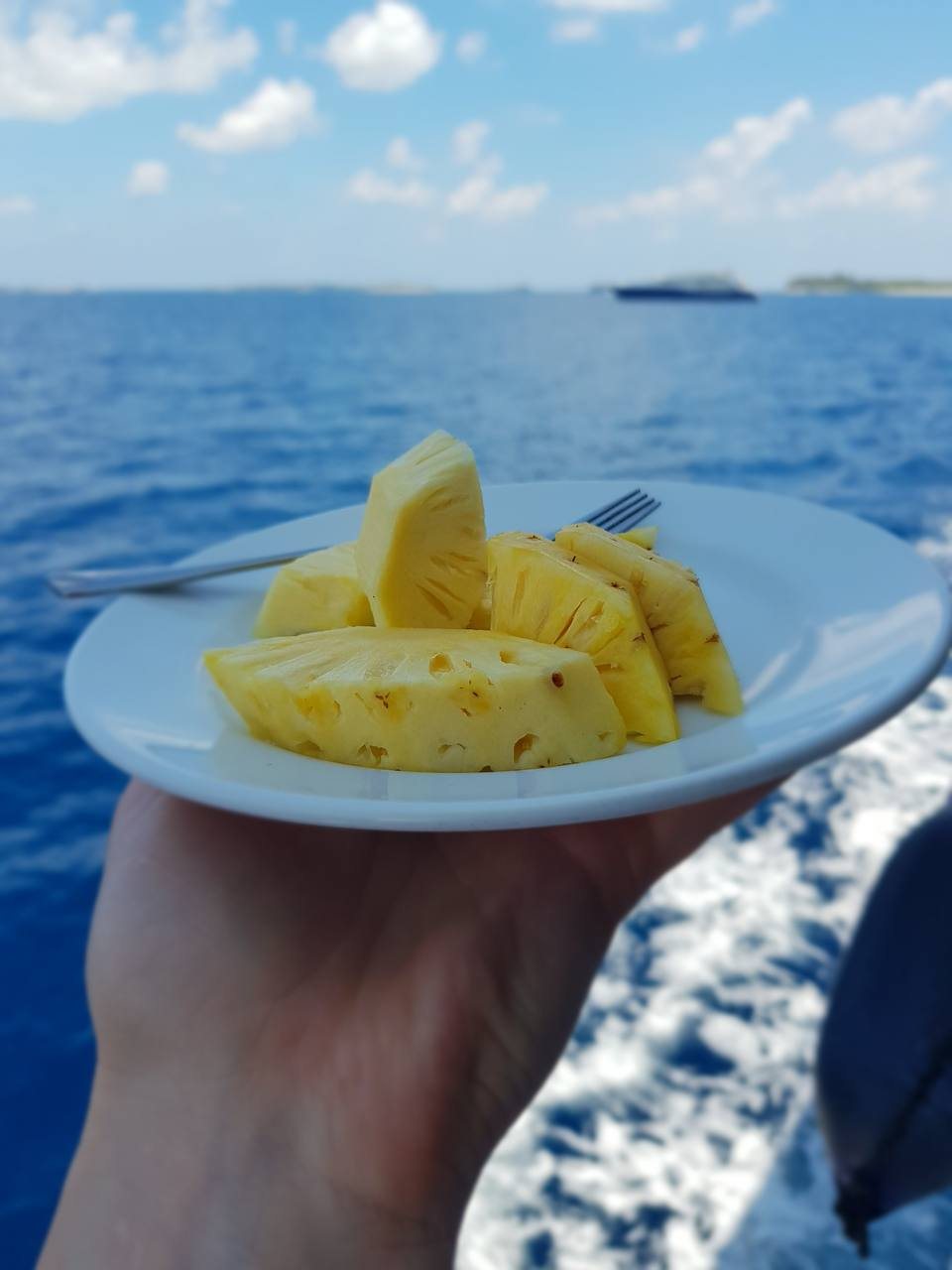
So the modern dive trip is expanding beyond the technical expedition. Divers still want extraordinary encounters underwater, but they also want a richer journey above the surface: social spaces, wellness, relaxation, and time with other travelers.
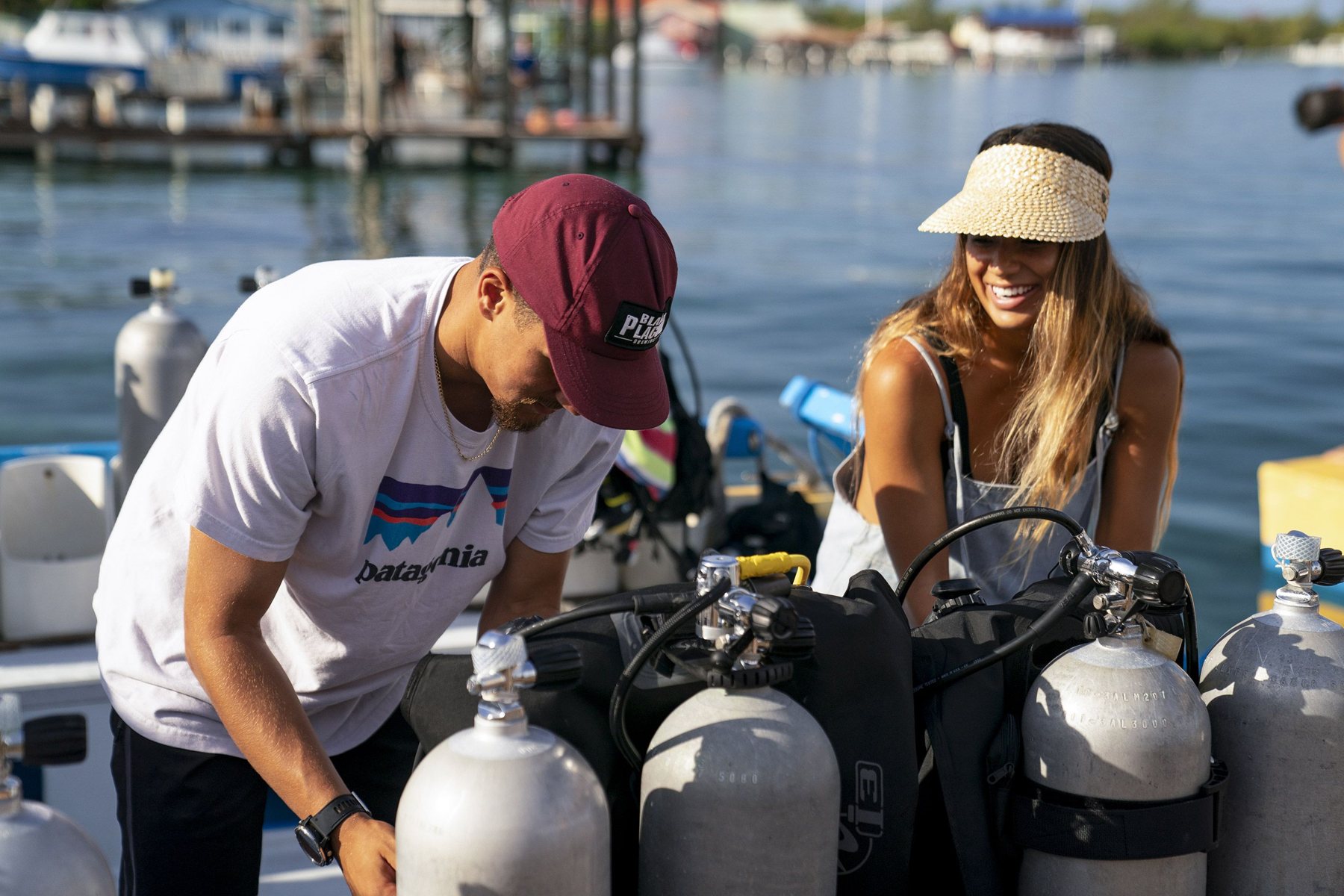
My husband does not dive at all — and that turns out to be surprisingly common.
An observation from my own life
I grew up in the Red Sea diving community and today represent the second generation of liveaboard operators in the region. Diving has been part of my life since childhood, and I became a dive instructor myself. For years, the structure of dive trips barely changed.
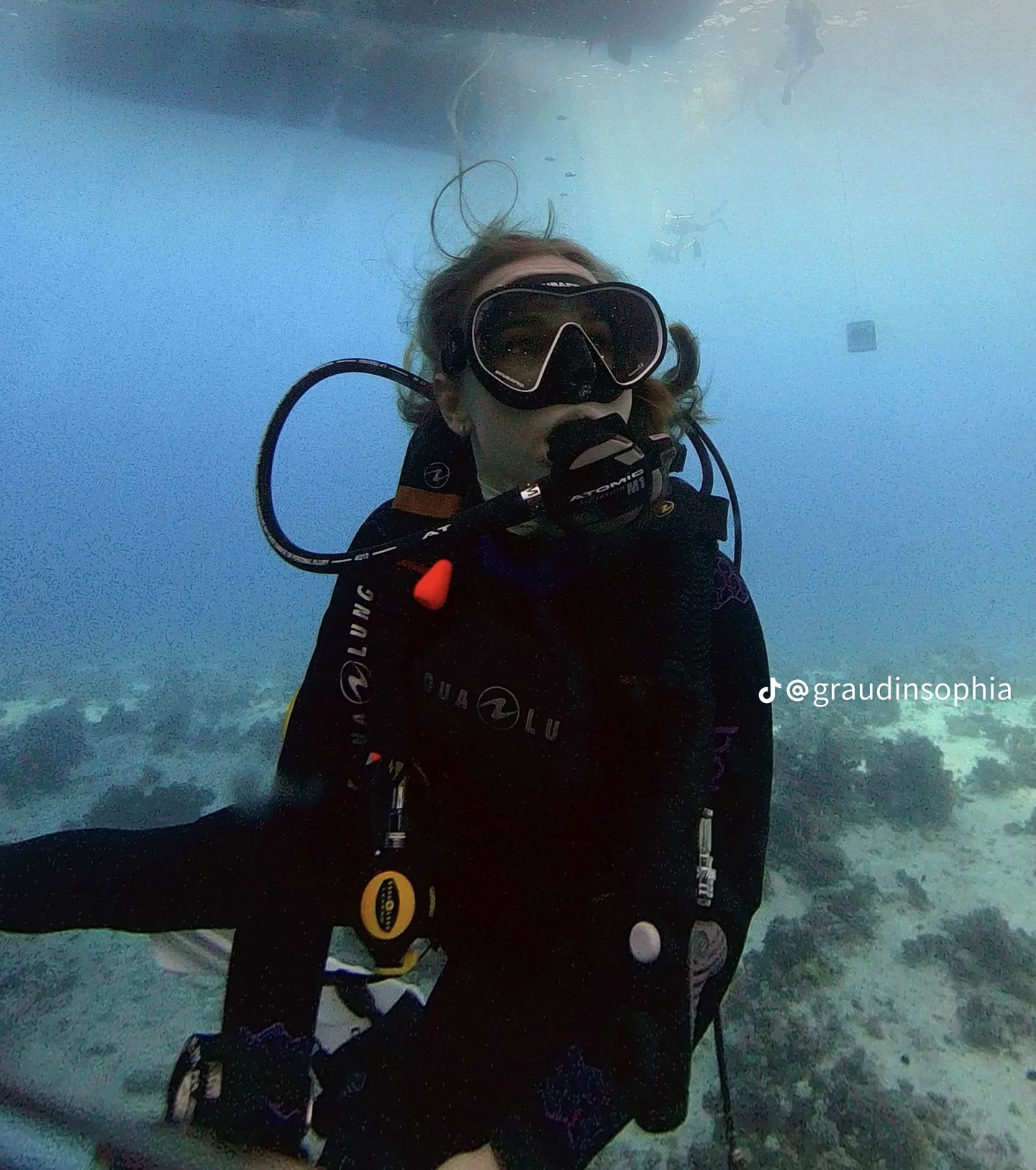
Many divers travel with partners or friends who do not dive, yet liveaboards historically offered them little beyond waiting on deck between dives. As travel patterns change, mixed groups of divers and non-divers are becoming more common — and operators are rethinking how a trip can welcome both.
Sharing the same journey
Diving stays central, but it increasingly sits alongside the rest of the ocean lifestyle — snorkeling, water activities, wellness, and simply enjoying the sea. Divers can explore some of the Red Sea’s most famous reefs while others snorkel with dolphins, take a wellness session, or relax on deck.
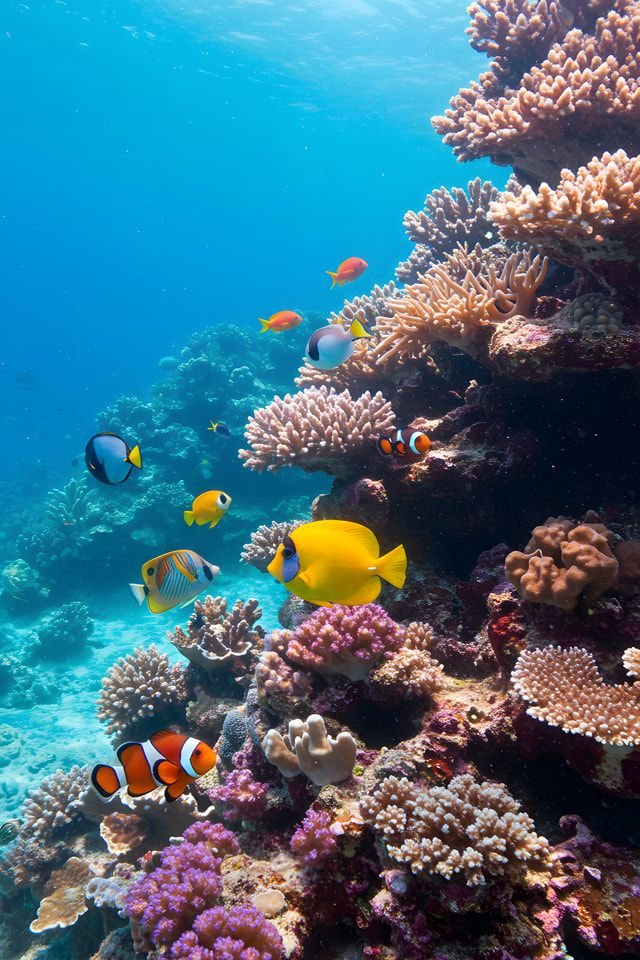
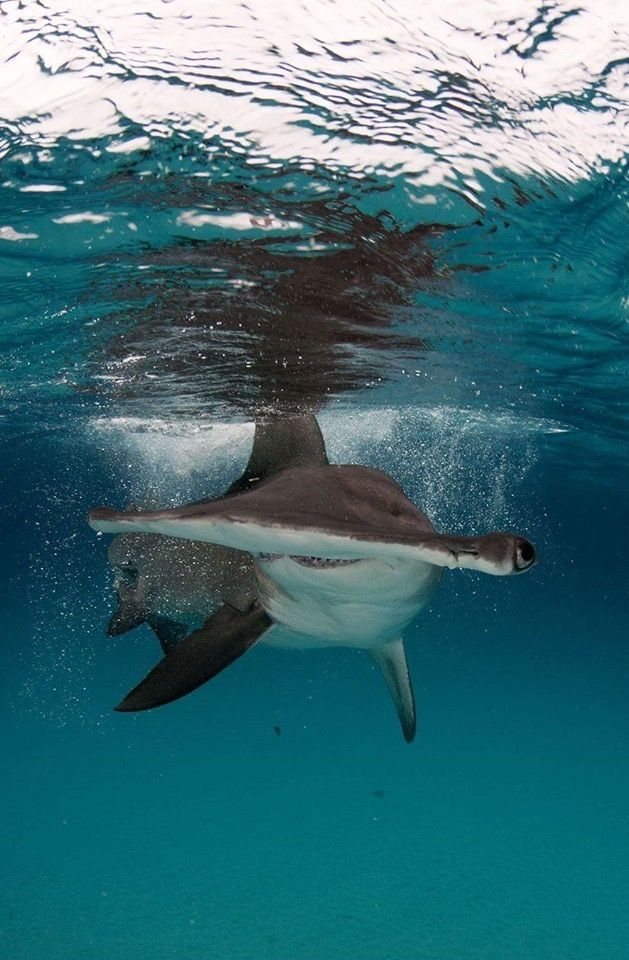
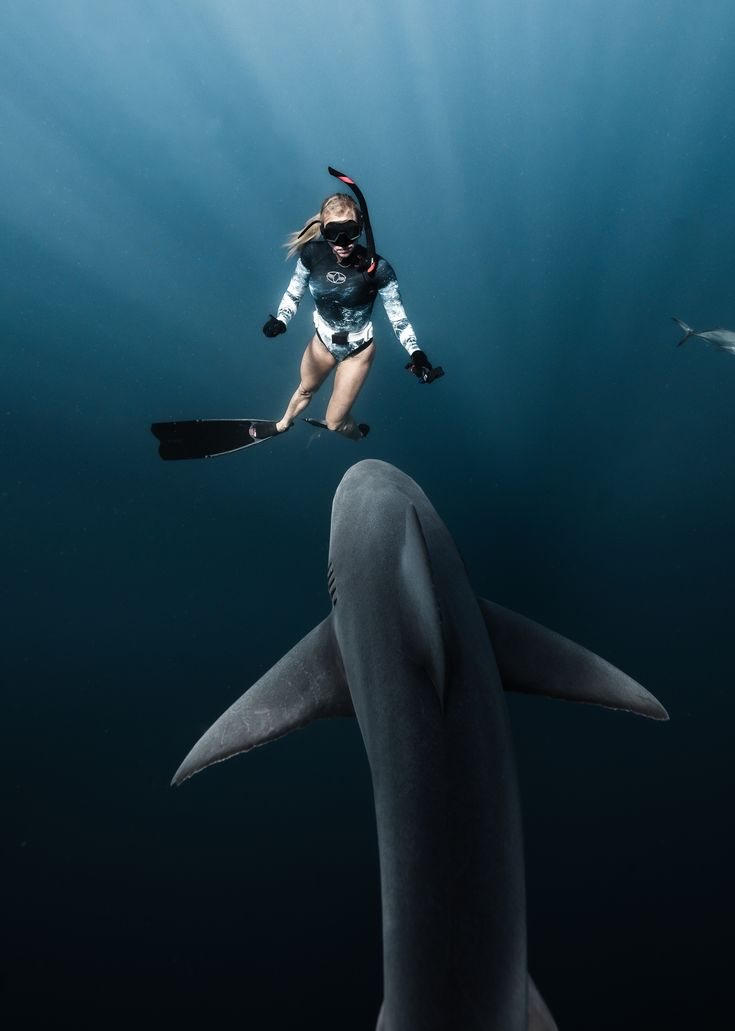
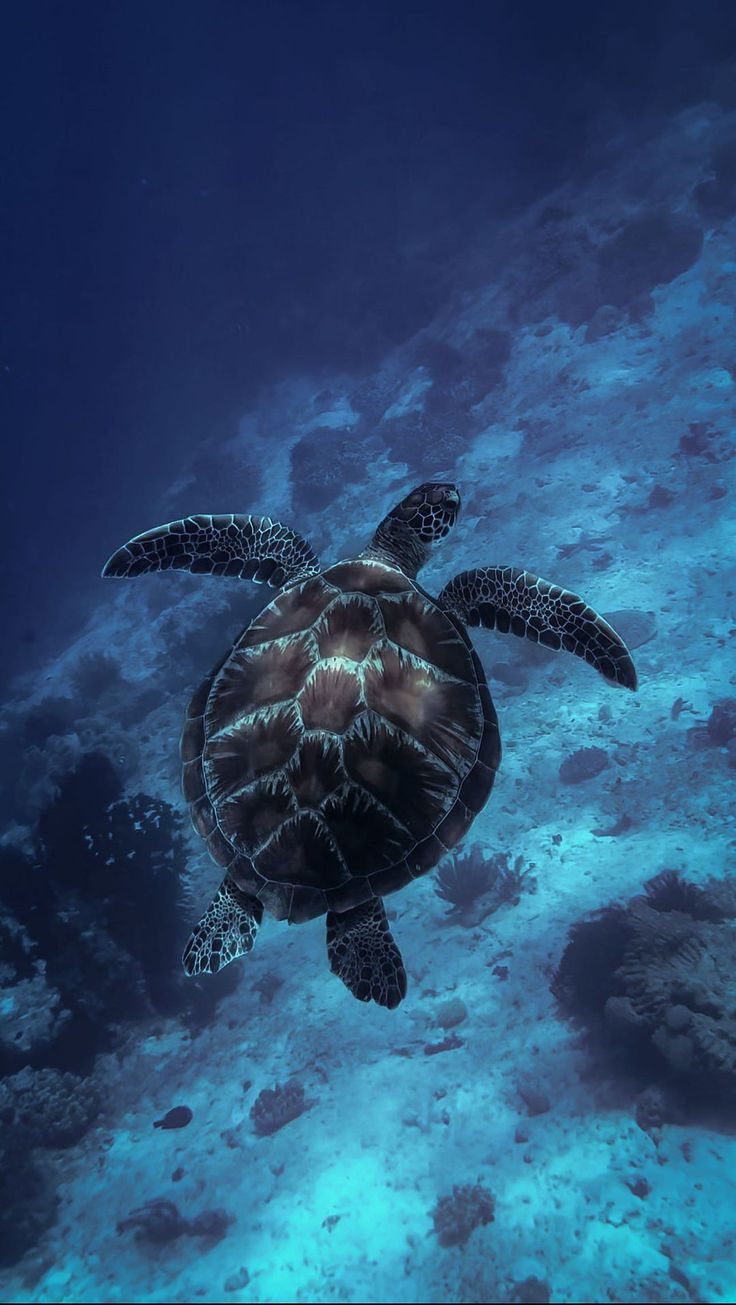
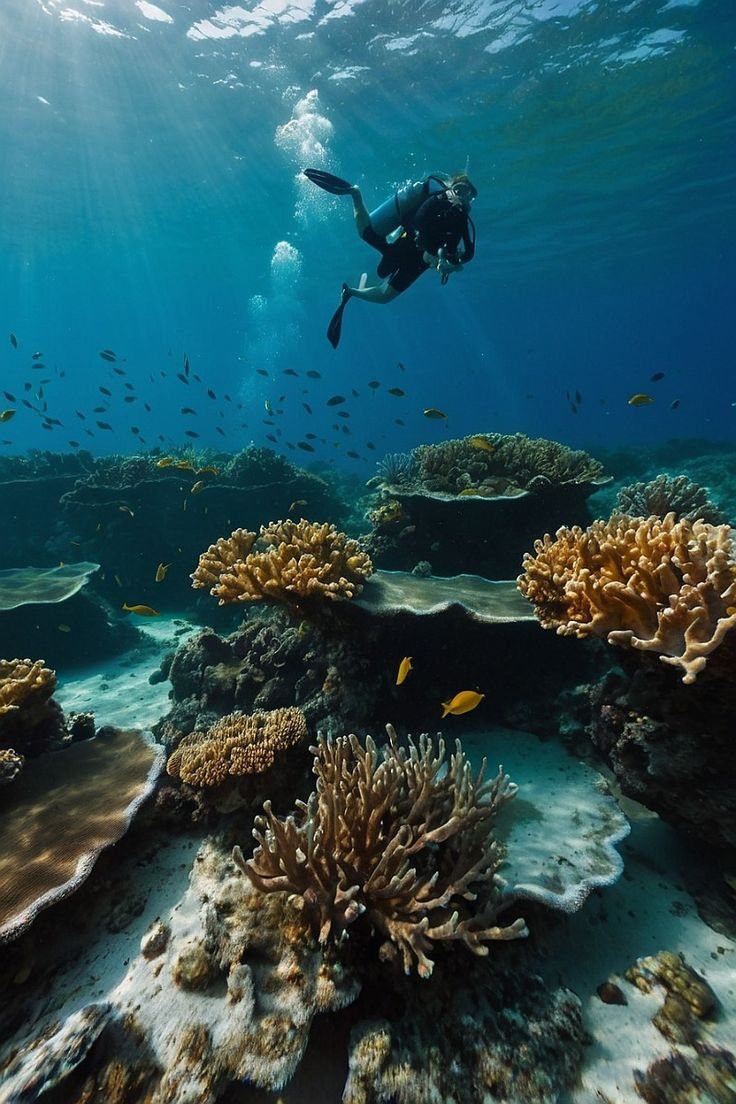
Diving, snorkeling, water sports, wellness, connection — scroll the range.
For a new generation, luxury is defined less by comfort alone and more by authentic moments, emotional memories, and shared experiences.
The next chapter of diving may be shaped by something simple — the ocean’s ability to bring people together.
Scuba diving remains one of the most remarkable ways to explore our planet. Its future may not be defined only by how deep we dive, but by who we bring with us — divers and non-divers alike — around a shared sense of wonder.