Guide · France
How to Plan a Corporate Retreat in France from the U.S.
Pick the region by your month and your flights. Start 6 to 9 months out for a team under 50, and 9 to 12 months out for a larger group. Paris is the easiest base.

Start planning
6–12 months ahead
Typical length
3–5 nights
U.S. citizens
No visa under 90 days
Price
On request
The short answer
A retreat in France comes down to three decisions: what the trip is for, which month you can travel, and how many people are coming. Those three answers narrow ten possible destinations to one or two.
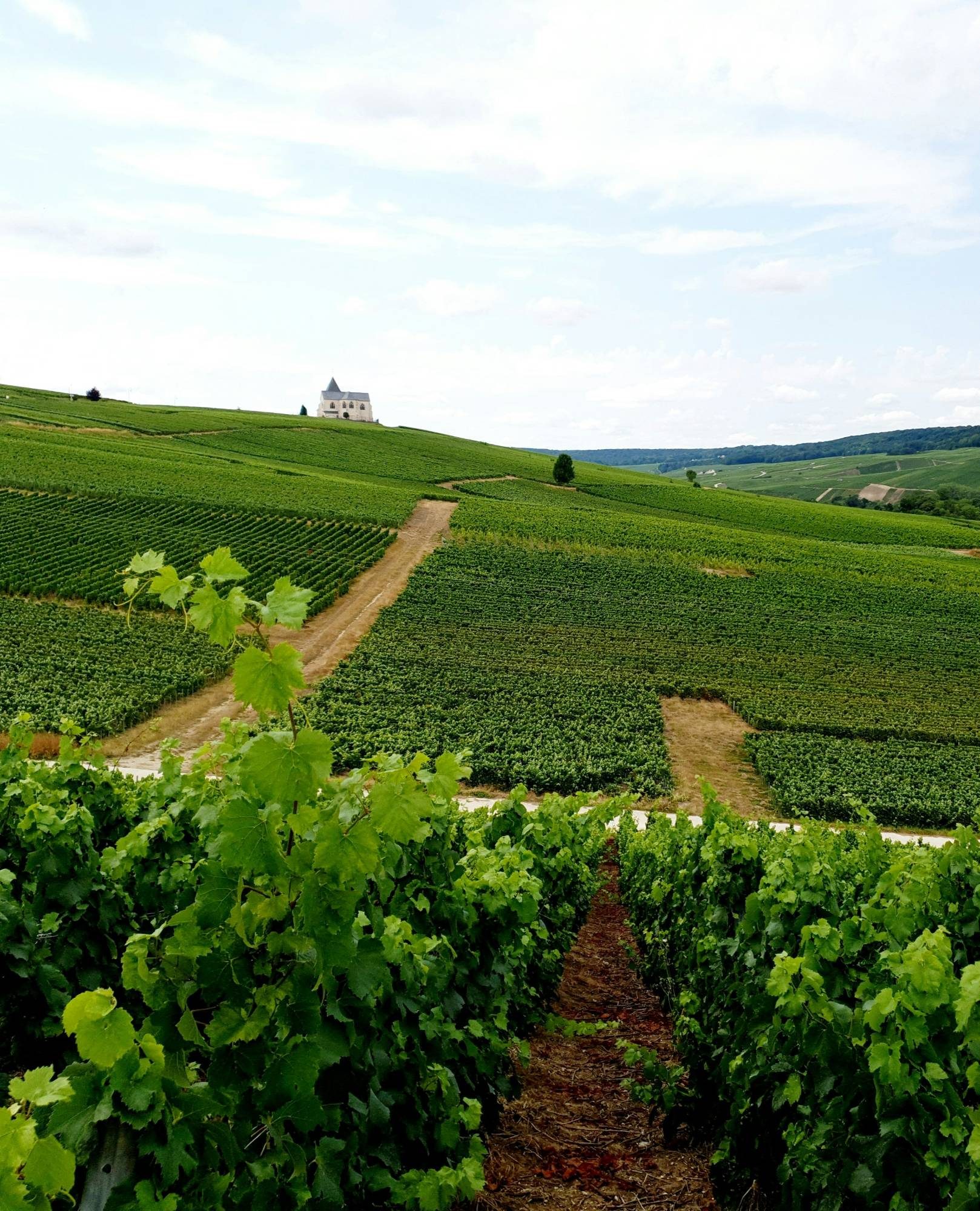
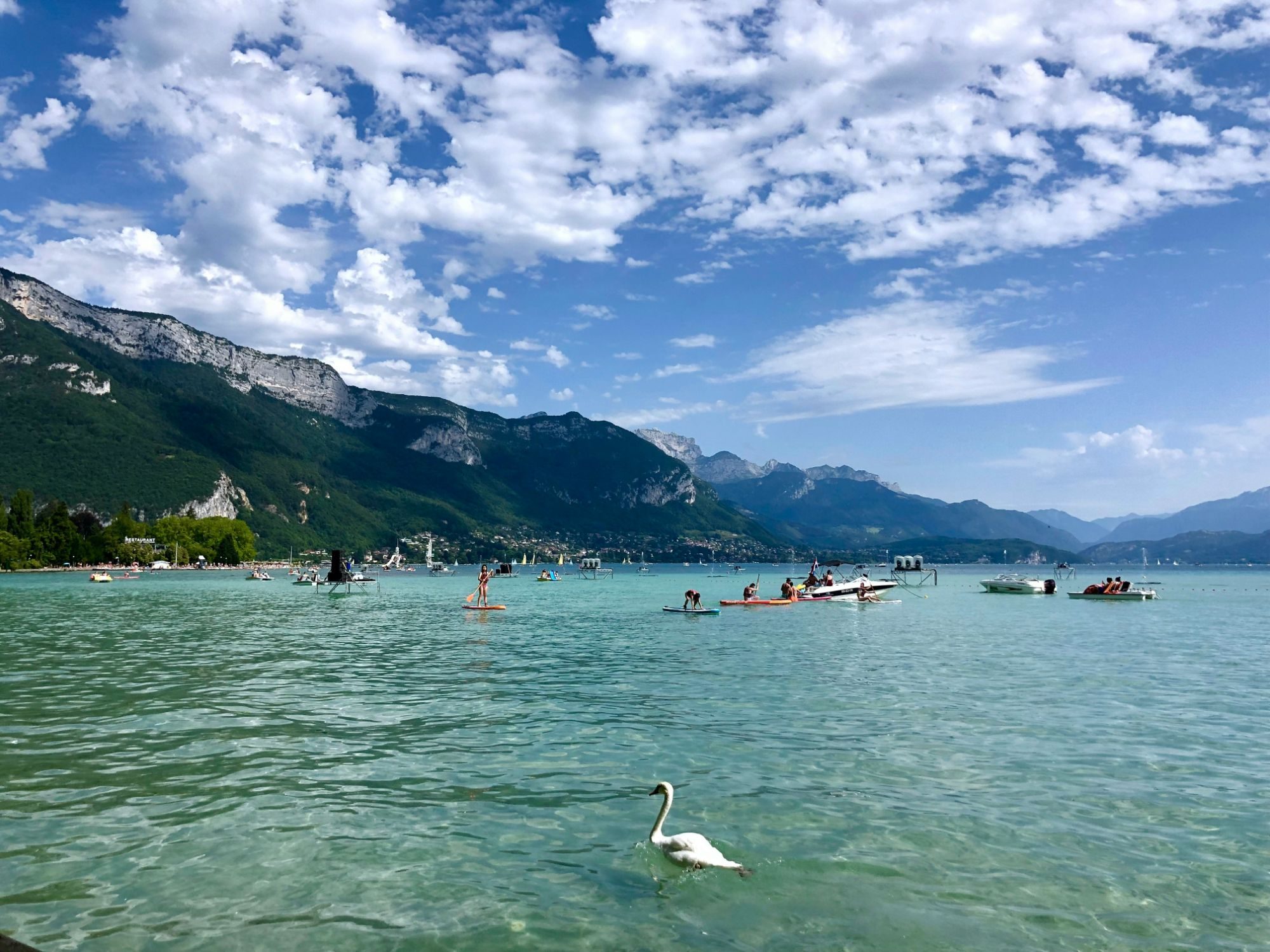
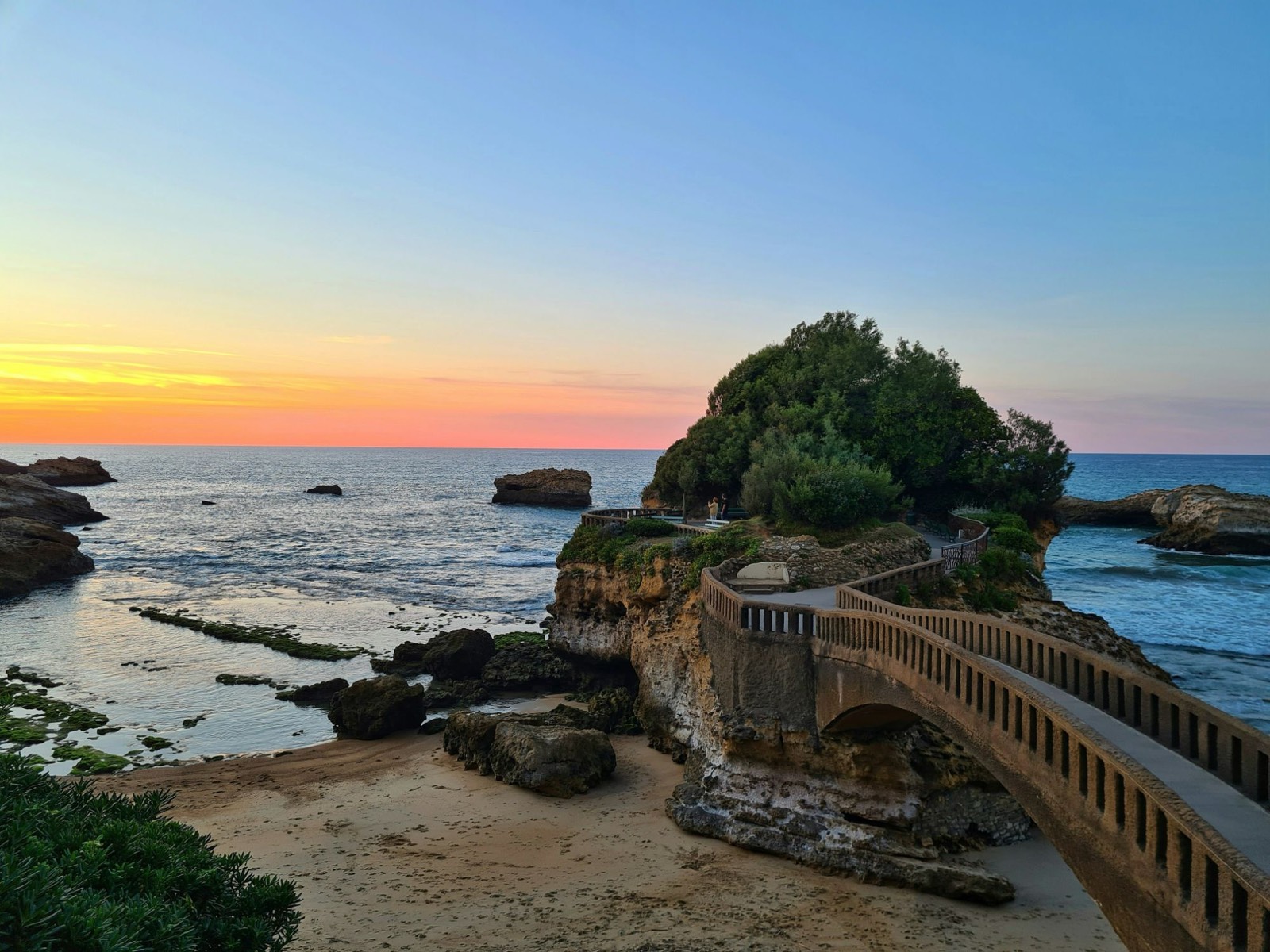
A team that needs meeting rooms every day and flies in from several U.S. cities should look at Paris first. A team that wants a reward trip between May and September should look at the Côte d’Azur. Champagne and Bordeaux suit a group that wants wine country, and the Alps and Biarritz suit a group that wants to be outdoors.
Three to five nights is the usual length. An overnight flight costs the group most of the first day, so a three-night trip gives you about two working days.

Choose the region
| Good for | Season and access | |
|---|---|---|
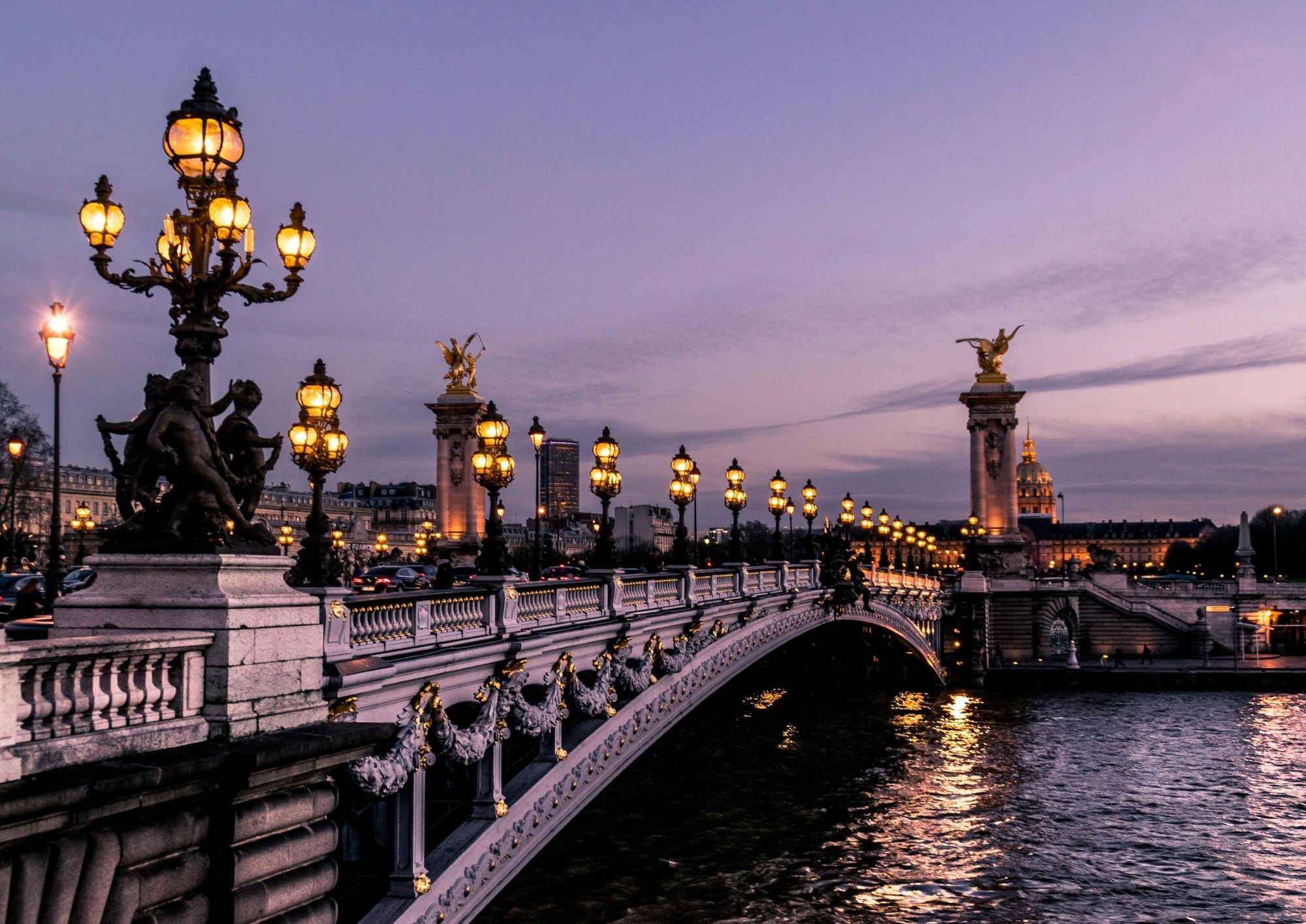
| Paris | Meetings, culture, easy arrival | April–June, Sept–Oct. Main gateway. |
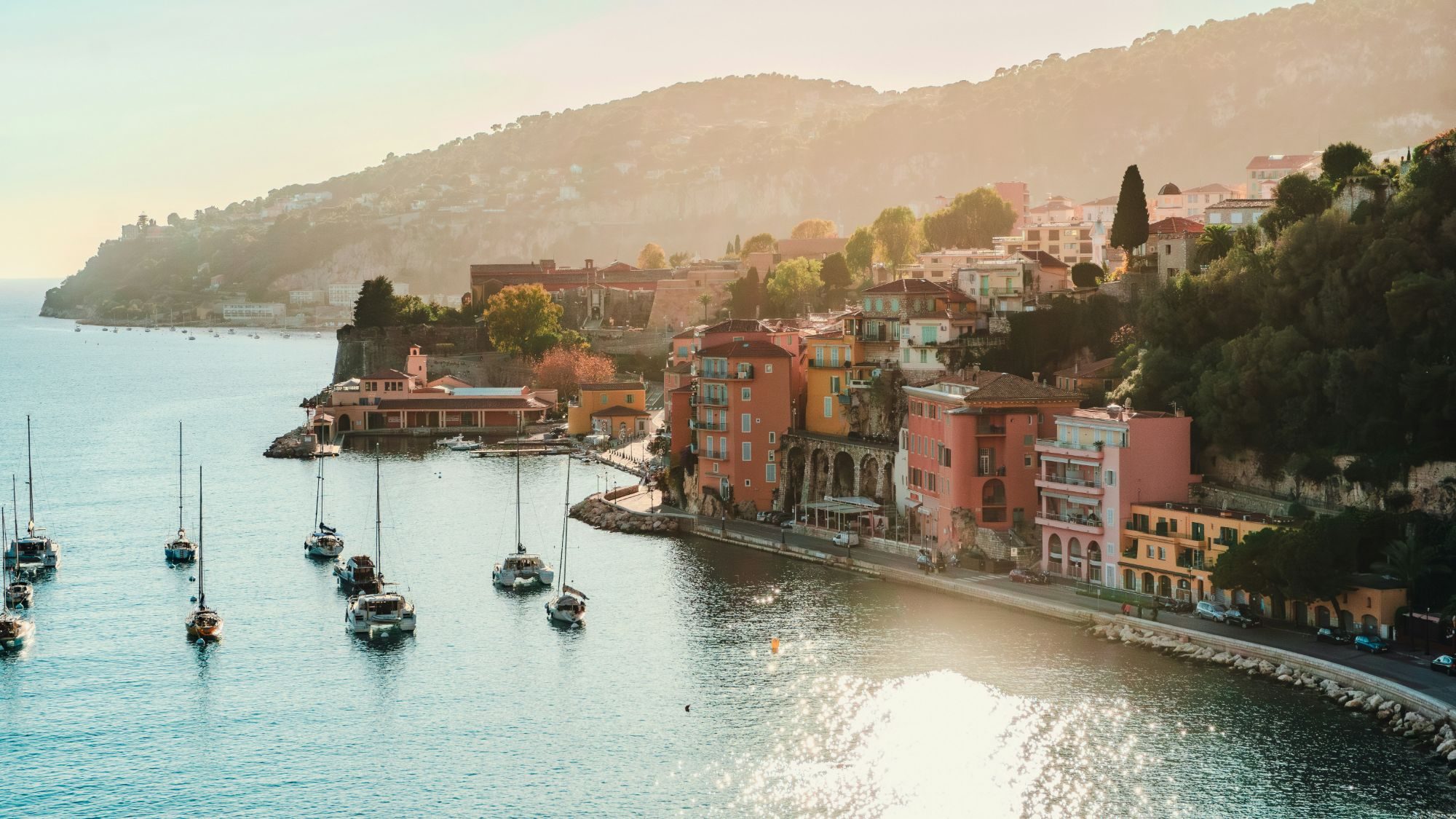
| Côte d’Azur | Sea, villas, yacht days | May–June, September. About 1.5 h by air from Paris. |
| Champagne | Cellars, one or two nights | May–October. About 45 min by train from Paris. |
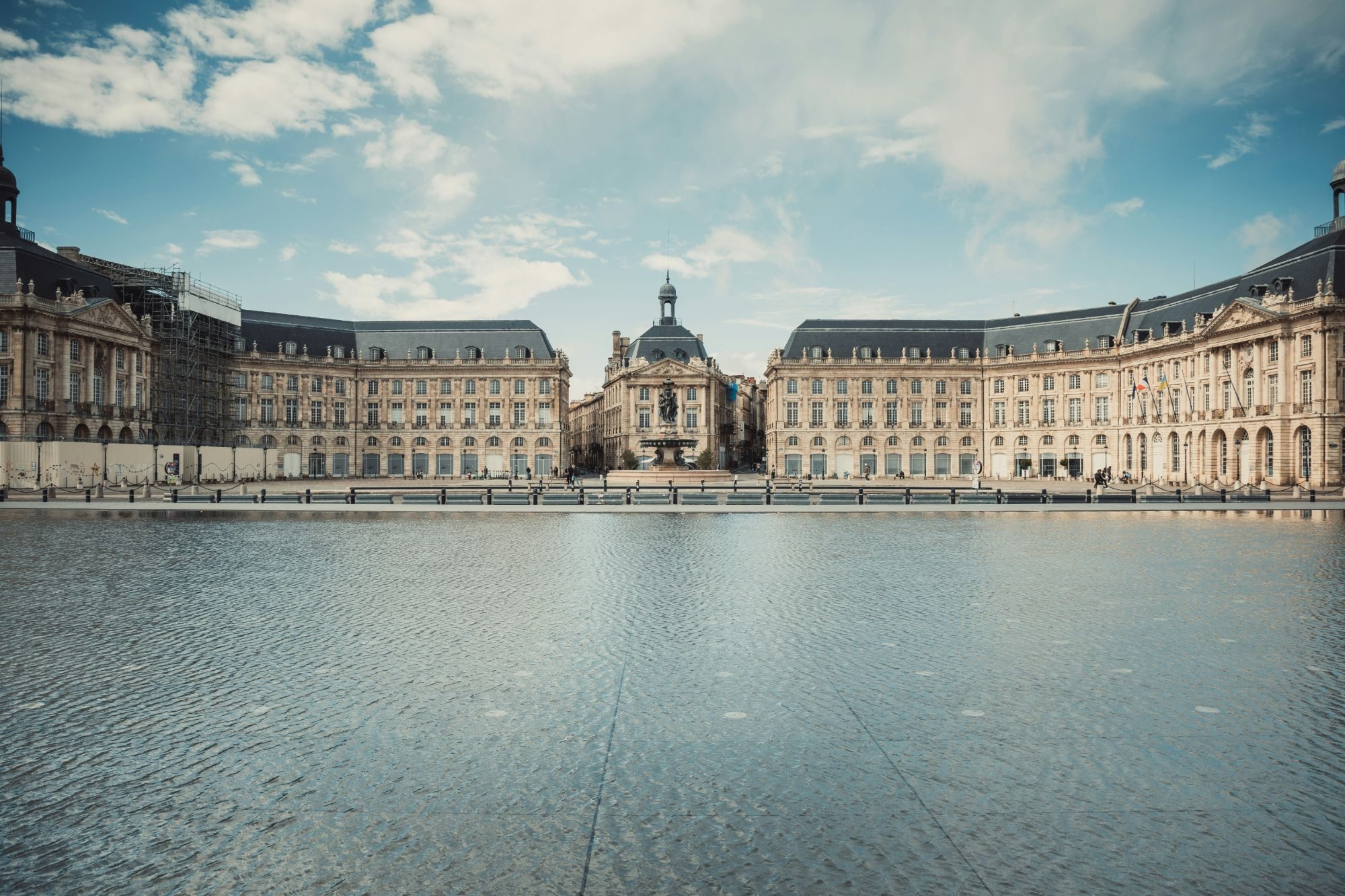
| Bordeaux | City and wine country | May–June, Sept–Oct. About 2 h by train from Paris. |
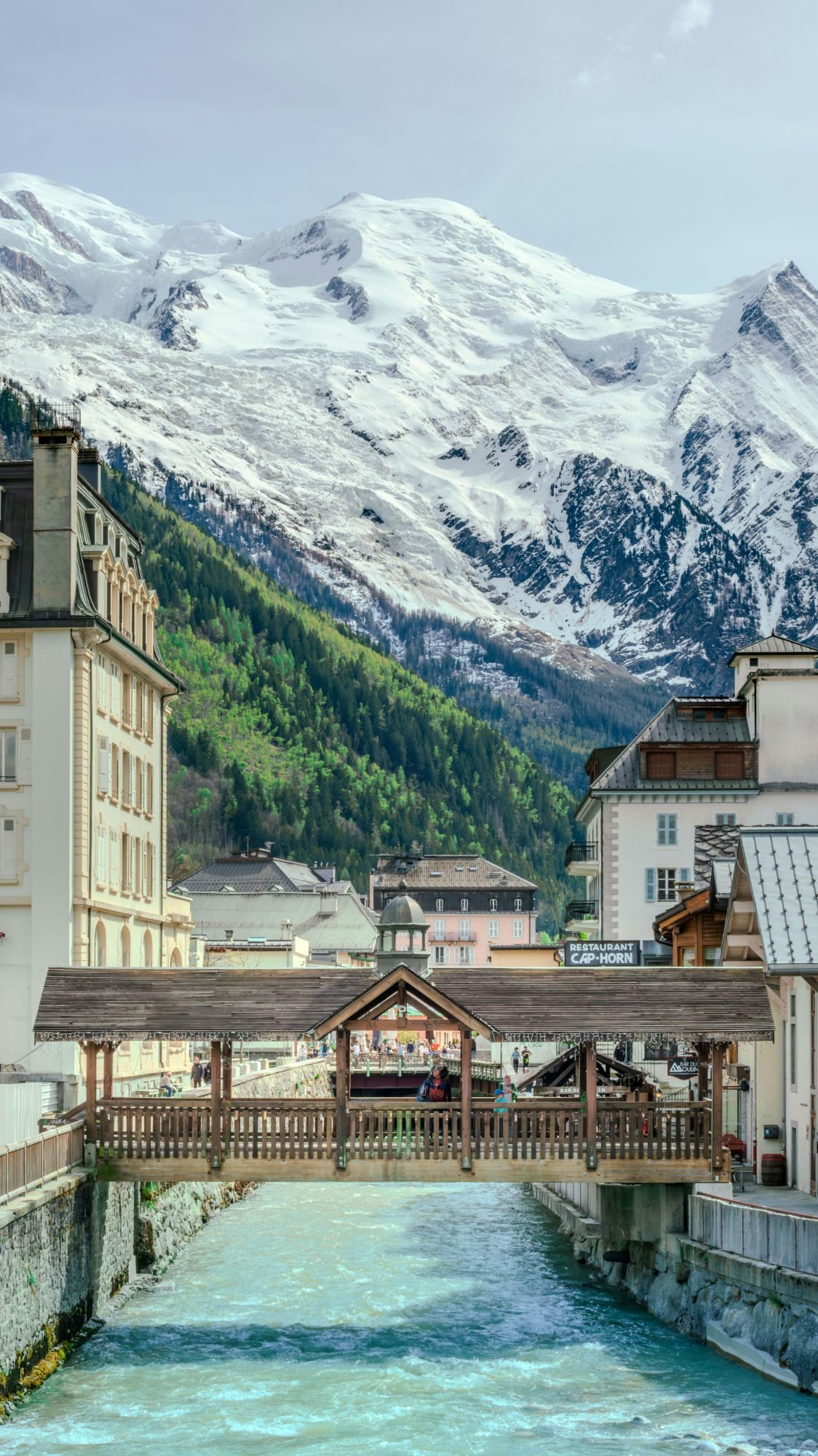
| French Alps | Hiking or snow sports | Summer or winter. Fly to Geneva or Lyon. |
| Biarritz | Surf, coast, Basque food | June–September. About 4 h by train from Paris. |
Set the timeline
Lead time depends on group size and season. The dates below work for most teams. Move them earlier for the Riviera in May and June, when the Cannes Film Festival (May 11–22 in 2027) and the Monaco Grand Prix fill hotels and raise rates.
- 9 to 12 months out: set the goal, budget per person, month and region. Groups of 50 or more sign hotel contracts at this stage.
- 6 to 9 months out: teams under 50 sign the hotel or villa contract and pay the first deposit.
- 4 to 6 months out: hold air seats and agree on the program day by day.
- 60 to 90 days out: collect passport names, rooming list, diets and mobility needs.
- 30 days out: confirm final numbers and make the last payment.
- One week out: send every traveler a one-page schedule and an emergency number.

Flights from the U.S.
Paris has the most nonstop flights from the U.S., through Charles de Gaulle and Orly. Nice has nonstop flights in summer from New York, Newark, Washington, Atlanta and Boston. Bordeaux and Biarritz have no regular nonstop service from the U.S., so groups connect through Paris or another European hub, or take the train from Paris.
Most airlines treat 10 or more passengers on one booking as a group. A group fare can hold seats before names are final and can allow later name changes. Terms vary by airline, so read them before you pay a deposit.
When people fly from several cities, set one arrival window at the French airport and send the coach for that window. Keep the first day light, with a walk and an early dinner. Save the first working session for the second morning.
Passports and entry rules
U.S. citizens can visit France for up to 90 days in any 180-day period without a visa, for tourism or business meetings. French authorities ask for a passport issued within the past 10 years and valid for at least three months after you leave the Schengen Area. We suggest six months of validity to be safe.
The EU’s Entry/Exit System now records a photo and fingerprints at the border, so allow extra time on arrival. ETIAS, the EU’s travel authorization, had not started as of November 2026. The EU says it will announce the date at least six months ahead.
Check nationalities early. A colleague with a non-U.S. passport may need a Schengen visa, and that can take weeks.
Read the hotel contract
A group contract differs from a normal booking. These are the clauses that cost companies money when they go unread.
- Room block: the number of rooms the hotel holds for you, night by night.
- Attrition: the share of the block you must pay for even if people drop out, often 70 to 90 percent.
- Cut-off date: the day unused rooms go back to the hotel. Earlier is safer for the hotel, later is safer for you.
- Deposit schedule: often staged, with the balance due about 30 days before arrival.
- Meeting rooms and meals: check for a minimum spend and whether coffee breaks are included.
- City tourist tax: charged per person, per night, and often listed apart from the room rate.
Build the program
A simple pattern works well: working sessions in the morning, time outside in the afternoon, and one team dinner most evenings. Plan one main activity a day and leave at least one evening free.
Book timed entries for museums and monuments as soon as dates are firm, because large groups have fewer slots. August needs care in Paris, when many independent restaurants close for part of the month.
Here is a sample five-day program for Paris and Champagne:
- Day 1. Land at Charles de Gaulle. Private coach to the hotel. Early dinner.
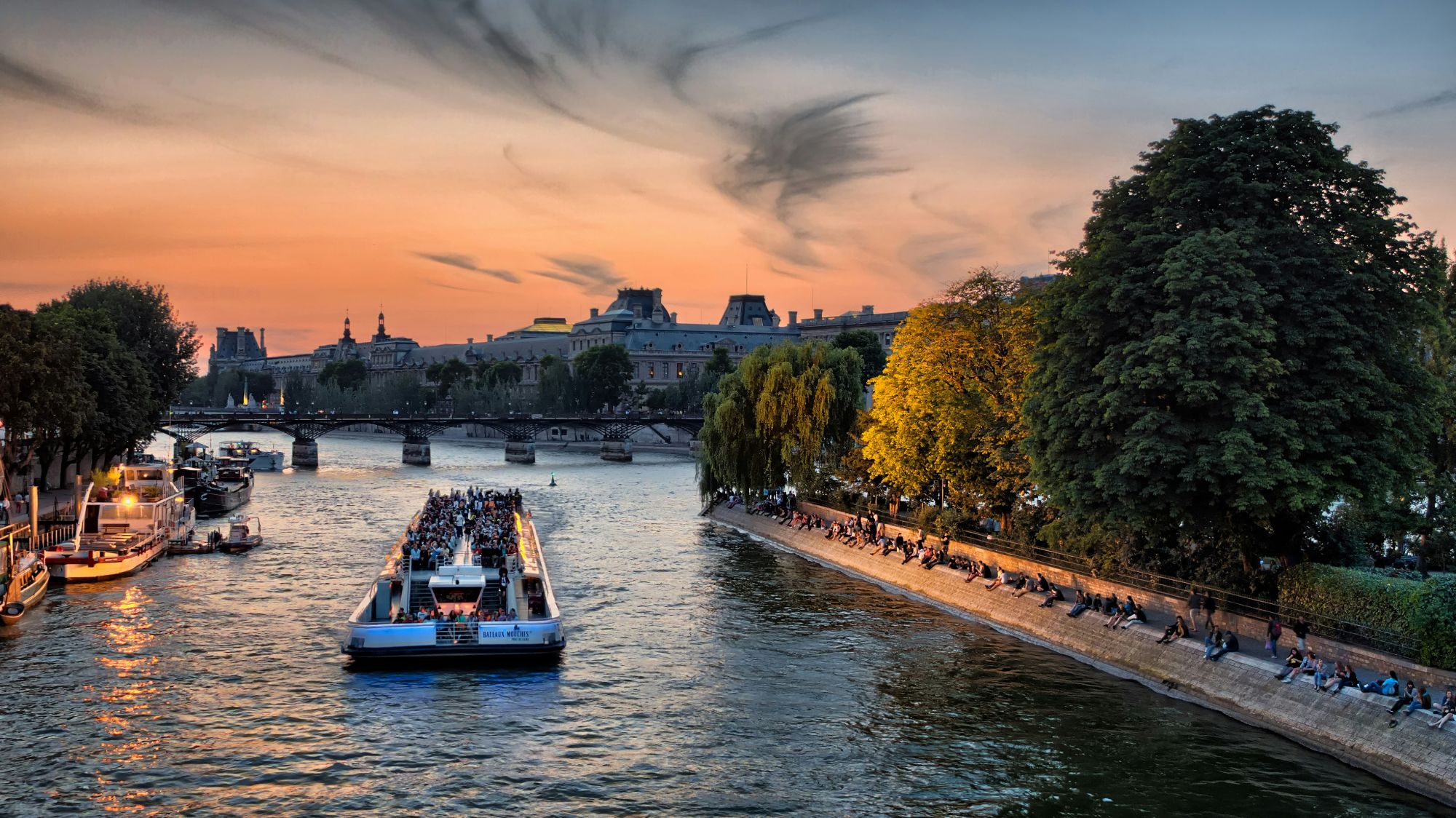
- Day 2. Morning session. Museum visit with a licensed guide. Evening on the Seine.
- Day 3. Fast train to Reims. Cathedral and a cellar visit. Back in Paris for dinner.
- Day 4. Morning session. Guided walk in Montmartre. Closing dinner.
- Day 5. Transfer to the airport.

What shapes the budget
We price each trip on request, because the same itinerary can cost very different amounts. These items move the number most:
- The month: peak weeks on the Riviera cost far more than early June or late September.
- Air class and how many cities the group flies from.
- Hotel category, or a private villa with its own staff.
- Coach hours, especially in wine regions where sites are far apart.
- Partner yacht days on the Riviera.
- Private entries, guides and venue hire for dinners.
What we handle
Our U.S. agency works with a French team, so your company has one contract and one person to call.
- Group air fares and seat blocks
- Private coaches and airport meet-and-assist
- Hotel room blocks, villas and rooming lists
- Licensed local guides and timed entries
- Team dinners and venues
- One project manager and a 24/7 emergency line
FAQ
- How far ahead should we plan a corporate retreat in France?
- Six to nine months for a team under 50. Nine to twelve months for a larger group or for peak weeks on the Riviera.
- What is the best region in France for a corporate retreat?
- Paris is the easiest for flights and meeting rooms. The Côte d’Azur suits a reward trip between May and September. Champagne and Bordeaux suit a wine-focused group.
- Do U.S. employees need a visa for France?
- U.S. citizens do not need a visa for stays up to 90 days. Colleagues with other passports should check Schengen visa rules early.
- How long should a retreat in France last?
- Three to five nights. The overnight flight takes up most of the first day.
- What is attrition in a hotel contract?
- It is the share of your room block you pay for even if people cancel, often 70 to 90 percent.
- How much does a corporate retreat in France cost?
- Price is on request. Send your group size, month and region for a quote.