Guide · Red Sea
Red Sea Trips When Not Everyone Dives
Divers and non-divers can share one Red Sea trip. The reefs start in shallow water, so snorkelers see much of what divers see. Meals, boat days and evenings stay shared.
Water
About 72–84°F
Non-divers
Snorkel, kite, intro dive
Base
Yacht or resort
Price
On request
The short answer
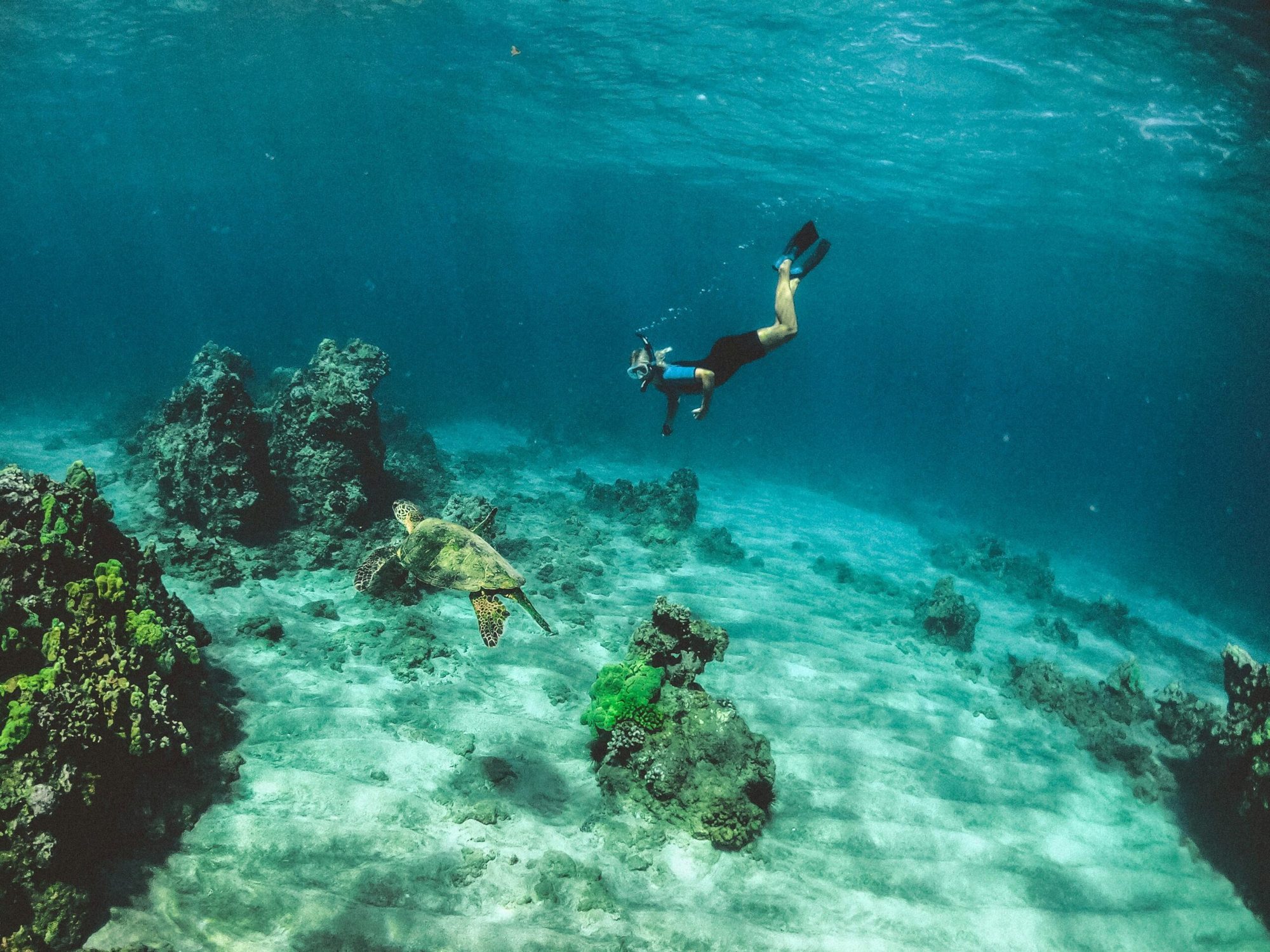
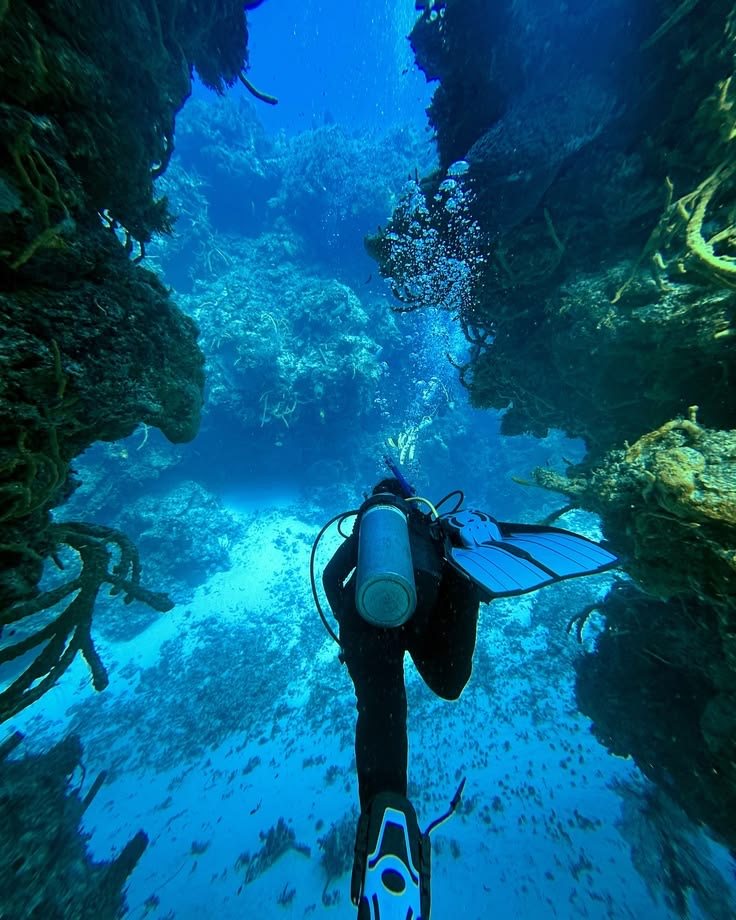
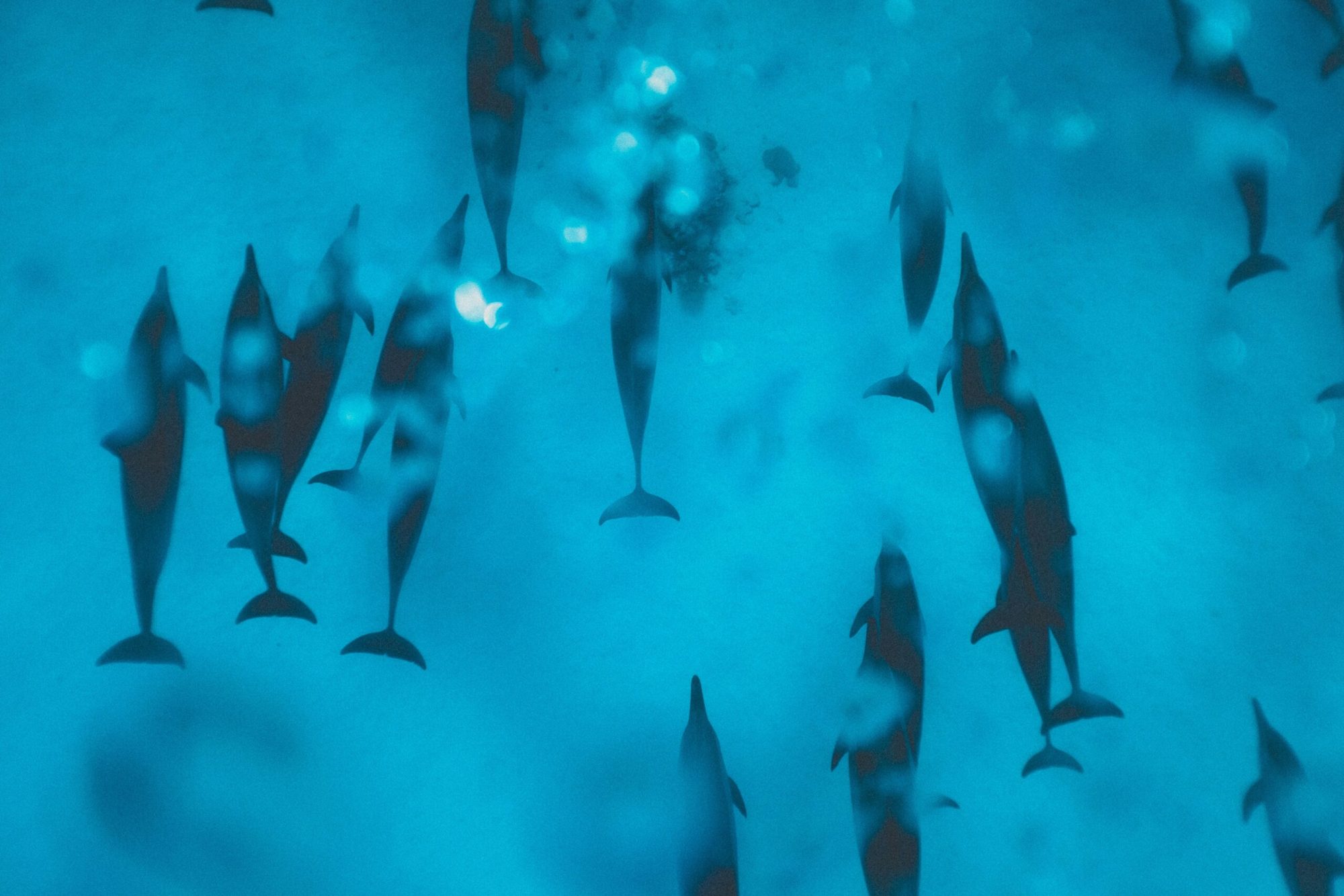
In most company groups, only a few people hold a dive card. That does not rule out the Red Sea. The coral grows close to the surface, the water is clear and warm, and a snorkeler floating above a reef sees fish, coral and often turtles or dolphins.
The trick is to plan one day with two tracks. Divers go down in the morning while the others snorkel, try a first dive or learn to kitesurf. Everyone meets again for lunch, for a boat day and for dinner. Nobody waits on a beach for hours.
Why the Red Sea suits a mixed group
The sea is warm all year. Average water temperatures run from about 72°F in February to about 84°F in August, so a long snorkel is comfortable for most people with a thin wetsuit or a rash guard.
Many reefs sit a short boat ride from shore, and several start right at the water’s edge. Off Hurghada, the Giftun Islands are a protected area with sandy beaches and shallow reefs, and full-day boat trips there are a standard outing for snorkelers. Visitors pay a small environmental fee at the marina.
Red Sea water by monthWhat non-divers can do
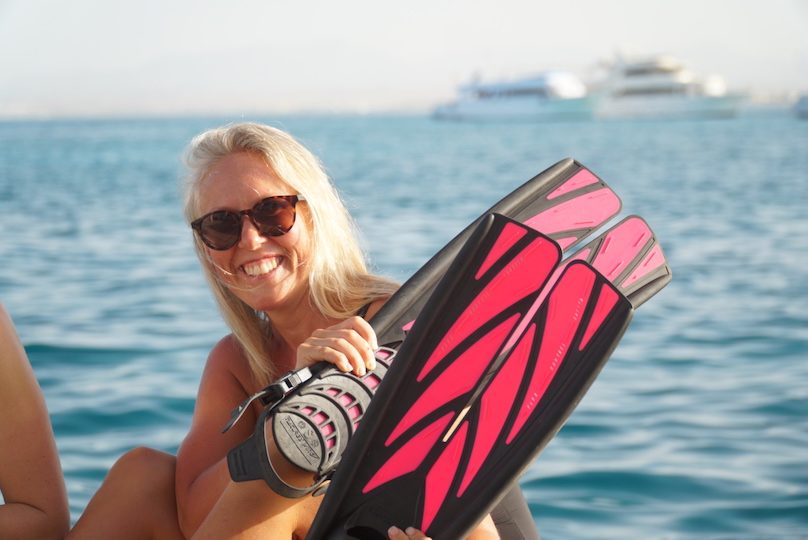
- Snorkeling. Guided, with a vest for weaker swimmers. The easiest way to see the reef.
- An introductory dive. A first dive with an instructor, in shallow water, after a short medical questionnaire. No license needed.
- Freediving. Breath-hold courses for strong swimmers who want to go deeper without tanks.
- Kitesurfing and wing foiling. El Gouna has wide shallow lagoons, and the main wind season runs from March to November.
- Stand-up paddle and kayaking on calm mornings.
- Boat days, beach time, a spa or the sundeck.
A shared day
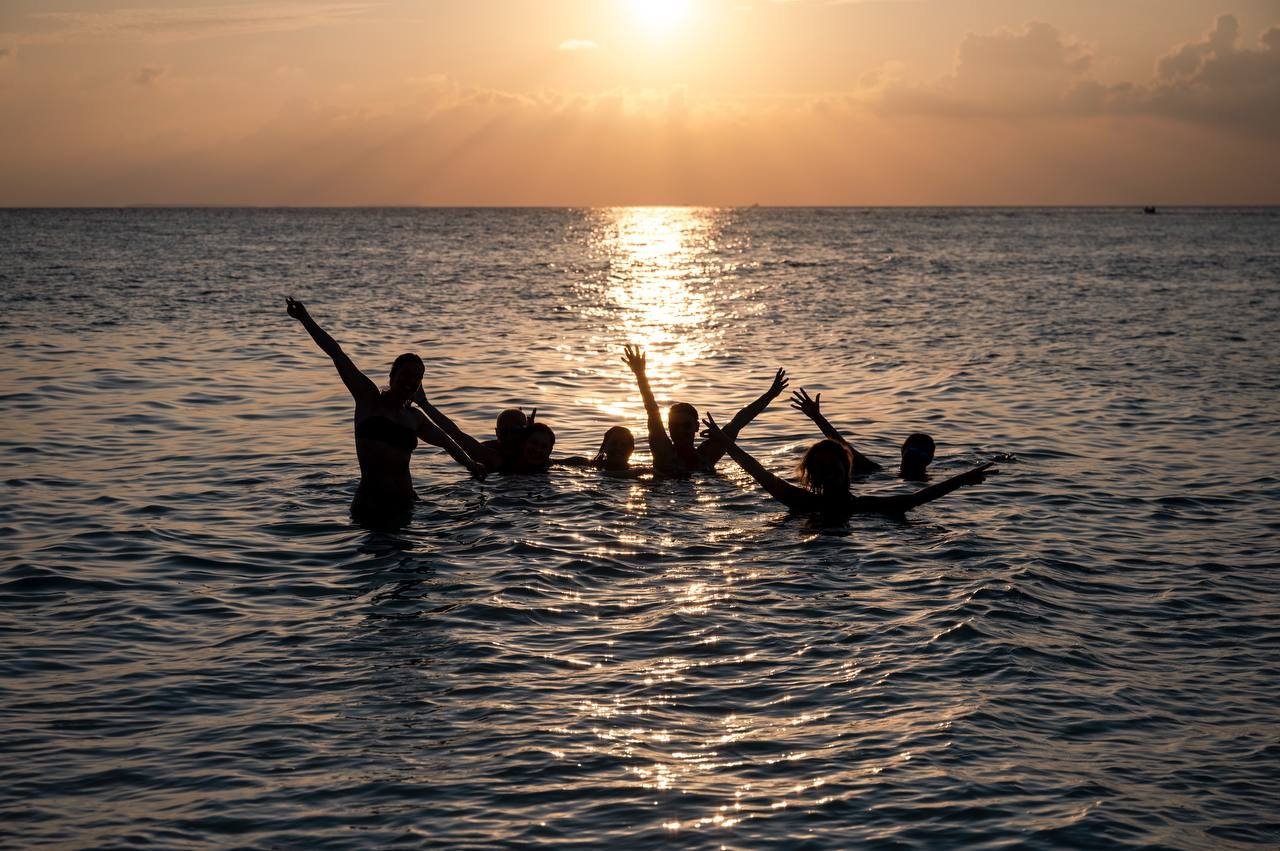
Keep the two tracks on the same boat or at the same reef whenever you can. A team that shares the morning on the water has something to talk about at lunch.
| Time | Divers | Non-divers |
|---|---|---|
| Early morning | First dive | Snorkel the same reef |
| Late morning | Second dive | Intro dive or paddle |
| Midday | Lunch together | Lunch together |
| Afternoon | Rest or a third dive | Kite lesson or deck |
| Evening | Dinner together | Dinner together |
A yacht or a resort base
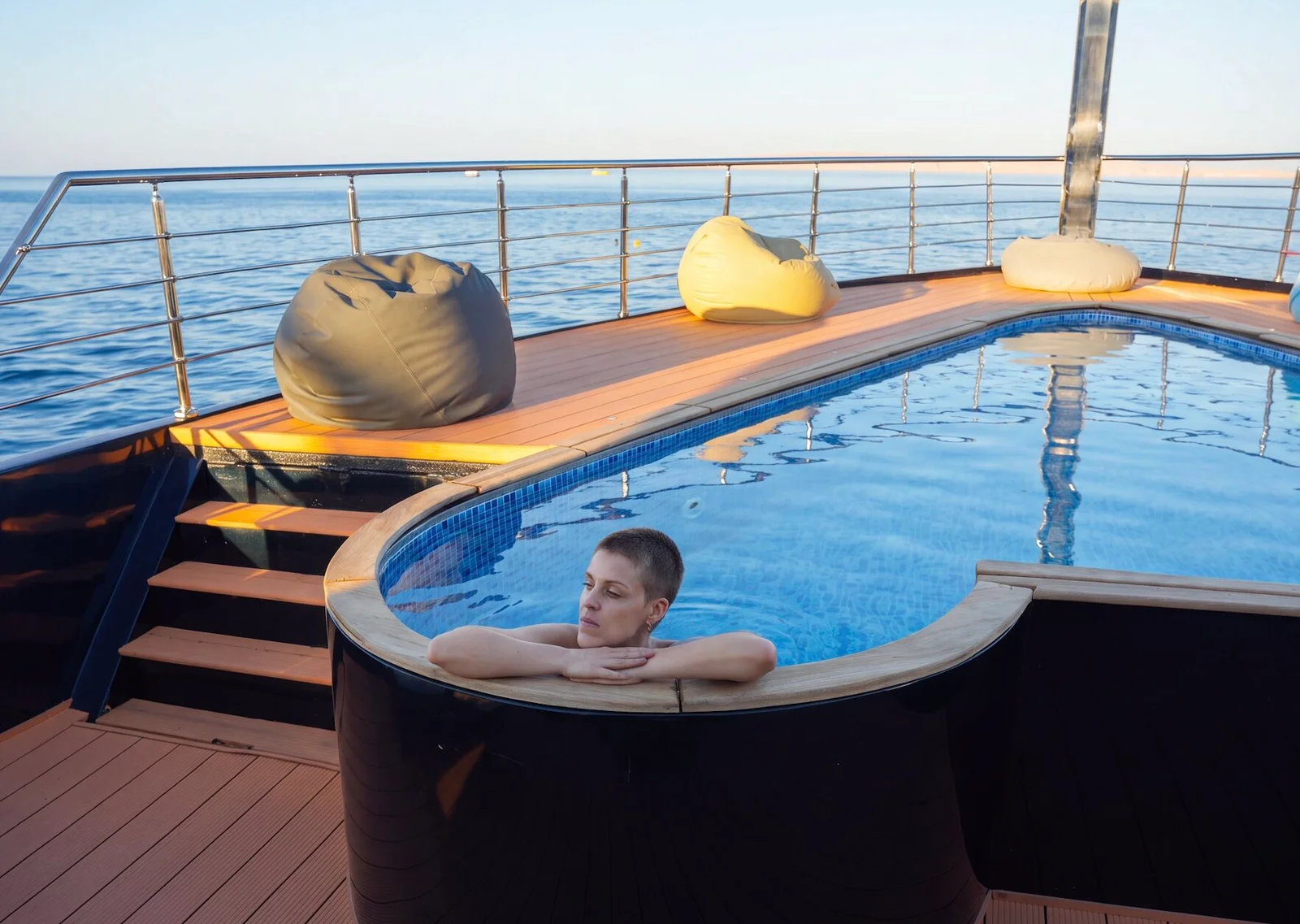
A yacht gives the group one shared base at sea. The boat moves between reefs, so divers and snorkelers wake up at a new site and get in the water together. On the Red Sea, Boreas Cruises is our own fleet. A group can charter the Boreas superyacht for 3, 4 or 7 nights from Port Ghalib, or join a scheduled voyage booked by the cabin. Diving, snorkeling, freediving, kitesurfing and boat days all run from the same boat.
A resort base suits groups that want more on land: a pool, a beach, golf or a desert evening. Hurghada and El Gouna have the widest choice, with day boats to the reefs each morning.
| Yacht | Resort | |
|---|---|---|
| Reefs | A new site each day | Day boats from the marina |
| Shared time | All day, on one boat | Meals and evenings |
| Best for | Retreats and small groups | Larger or mixed-age groups |
| Airport | Marsa Alam, 15–20 min | Hurghada |
Plan the divers’ side well
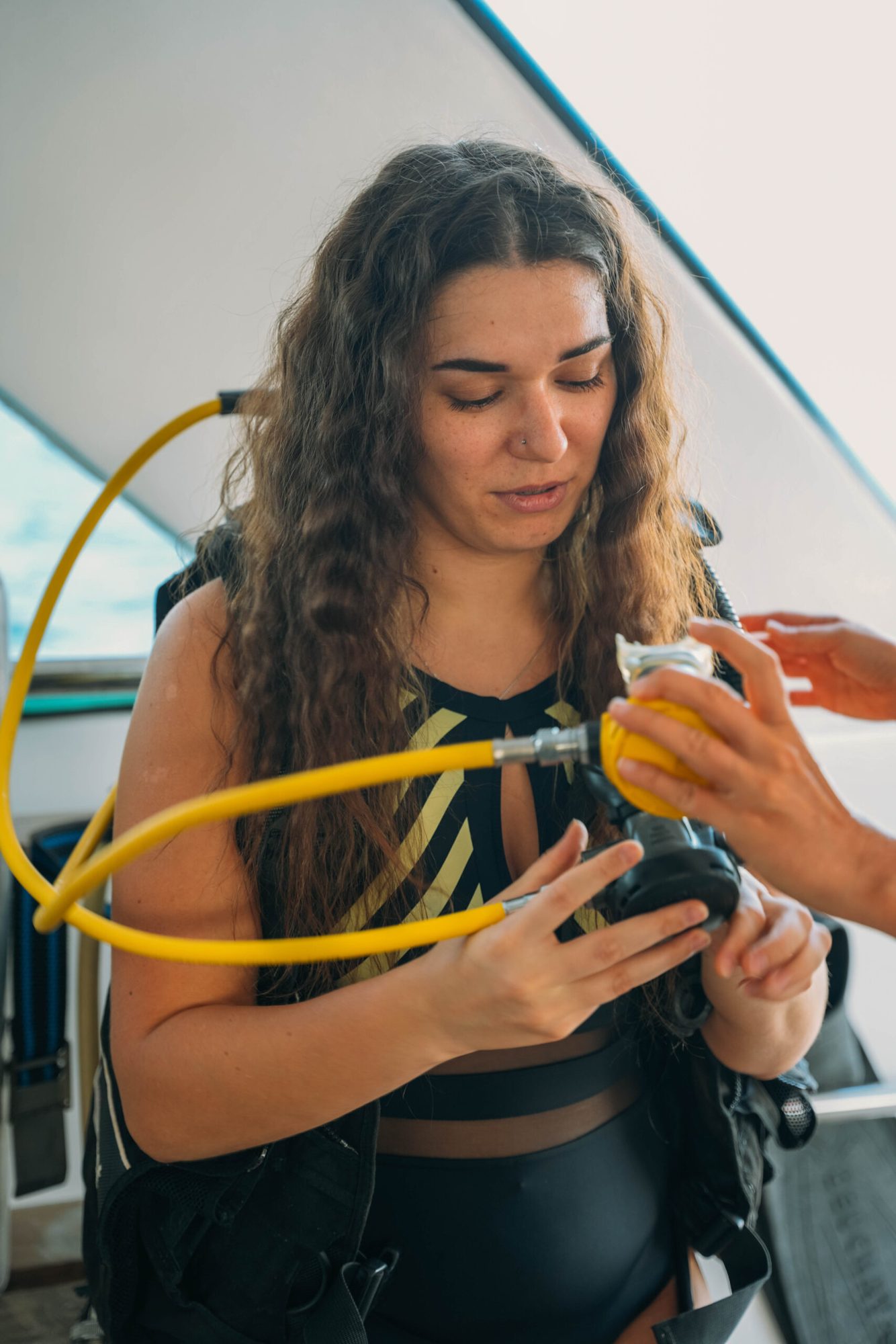
Certified divers need a little paperwork before the trip. Collect it early so the dive team can plan the right sites.
- A copy of each diver’s certification card.
- The date of each diver’s last dive. Divers who have not dived in a year or more usually start with a refresher.
- A signed medical questionnaire. Some answers need a doctor’s approval before diving.
- Dive insurance. Boreas Cruises requires it for every guest who scuba dives.
Safety basics
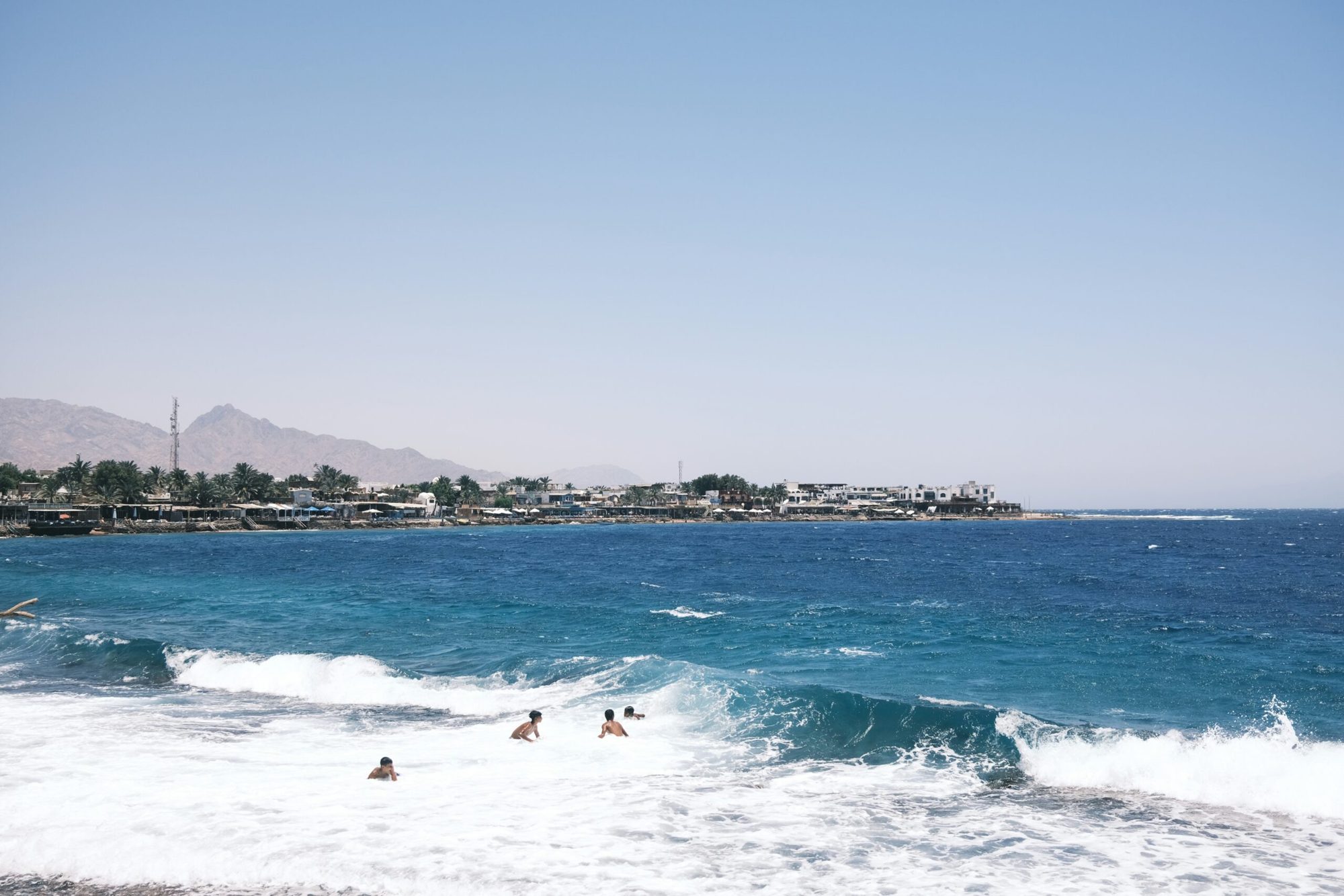
Every dive and snorkel starts with a briefing from a licensed guide. Snorkelers who are not strong swimmers wear a vest and stay close to a guide. Tell us in advance about any guest who cannot swim.
Flying soon after diving raises the risk of decompression sickness. Divers Alert Network advises at least 12 hours between a single dive and a flight, and at least 18 hours after several dives or several days of diving. Most groups simply keep the last day free of scuba diving. Snorkeling that day is fine.
Use reef-safe sunscreen and do not touch or stand on the coral. Egypt protects its Red Sea reefs, and the rules apply to every visitor.
What we handle
We plan the two tracks as one program: the yacht or the resort, licensed dive guides, snorkel guides, intro dives, kite lessons, transfers and meals. One project manager follows the trip, and the 24/7 emergency line covers every day.
Our family and Boreas Cruises have worked in Egypt for 30 years and welcome 1,200 guests a year. The operations team is based in Hurghada and Marsa Alam.
See the Red Sea yacht charterFAQ
- Can non-divers enjoy a Red Sea trip?
- Yes. The reefs start in shallow water, so snorkelers see much of the coral and fish. Kitesurfing and boat days fill the rest.
- Can someone try diving without a license?
- Yes. An introductory dive runs with an instructor in shallow water. A short medical questionnaire comes first.
- Can non-divers join a yacht trip with divers?
- Yes. On the Boreas superyacht, snorkelers and divers share the same boat and the same reefs.
- Can weak swimmers snorkel?
- Yes, with a vest and a guide nearby. Tell us in advance.
- How long should divers wait before flying home?
- At least 12 hours after a single dive and 18 hours after several, according to Divers Alert Network. Most groups keep the last day free of diving.
- When is the best time for kitesurfing?
- The main wind season at El Gouna runs from March to November.
- How much does a Red Sea group trip cost?
- Price is on request. Send your group size and dates for a quote.