
Scuba Diving’s Next Evolution: From Expedition to Shared Experience
- Sofia Graudin
- Mar 13
- 3 min read

For much of its history, scuba diving followed a familiar rhythm. Divers travelled with a single purpose: to explore reefs, log dives and chase encounters with the ocean’s most spectacular wildlife. Liveaboard trips were often built around early mornings, multiple dives per day and tightly structured schedules designed for committed divers.
Today, that model is quietly evolving.
A new generation of travellers – particularly Generation Z and younger millennials – is reshaping how adventure activities are experienced. Numerous studies now show that younger consumers place greater value on meaningful experiences than on traditional purchases. Research by the global experience platform Eventbrite found that around 78% of millennials and Gen Z prefer spending money on experiences rather than material goods.

This shift is influencing the wider tourism sector as well. According to research by the Adventure Travel Trade Association, adventure travel is currently growing around 65% faster than general tourism worldwide. The organisation also notes that modern adventure travellers increasingly seek multi-activity journeys that combine nature, wellness and social interaction, rather than trips focused on a single activity.
Scuba diving sits naturally within this transformation.
The diving world remains substantial in scale. The Professional Association of Diving Instructors alone has issued more than 29 million diver certifications globally, while the international dive tourism market is estimated to generate between $3 and $4 billion annually. Yet the expectations of the next generation entering the sport are changing the shape of dive travel.

For Gen Z travellers in particular, adventure is not simply something to experience privately. It is something to document and share. In many ways, diving becomes content, travel becomes storytelling, and experiences become shareable moments. Beautiful reefs, wildlife encounters and life on board a vessel are no longer only memories – they are part of a narrative shared with communities online.
As a result, the modern dive trip is gradually expanding beyond the purely technical expedition model. Divers still want extraordinary underwater encounters, but they also look for a richer overall journey above the surface: social spaces, wellness activities, relaxation and time spent connecting with other travellers.
This evolution is something I have observed personally.
I grew up in the Red Sea diving community and today represent the second generation of liveaboard operators in the region. Diving has been part of my life since childhood, and I eventually became a dive instructor myself. For many years the structure of dive trips remained largely unchanged.
Yet a simple observation from my own life began to highlight a broader shift: my husband does not dive at all.
This situation is surprisingly common. Many divers travel with partners or friends who are not divers, yet historically liveaboard trips offered limited options for them beyond waiting on deck between dives. As travel patterns change, mixed groups of divers and non-divers are becoming more common.
Across the industry, operators are beginning to rethink how dive trips can welcome both communities. Diving remains central, but it increasingly sits alongside other elements of the ocean lifestyle – snorkelling, water activities, wellness programmes, social gatherings and time simply spent enjoying the sea.
This thinking helped inspire the concept behind Boreas Floating Resort, a Red Sea project designed around the expectations of the modern luxury traveller. The idea was not to reduce the focus on diving, but to integrate it into a broader experience where divers and non-divers can share the same journey.

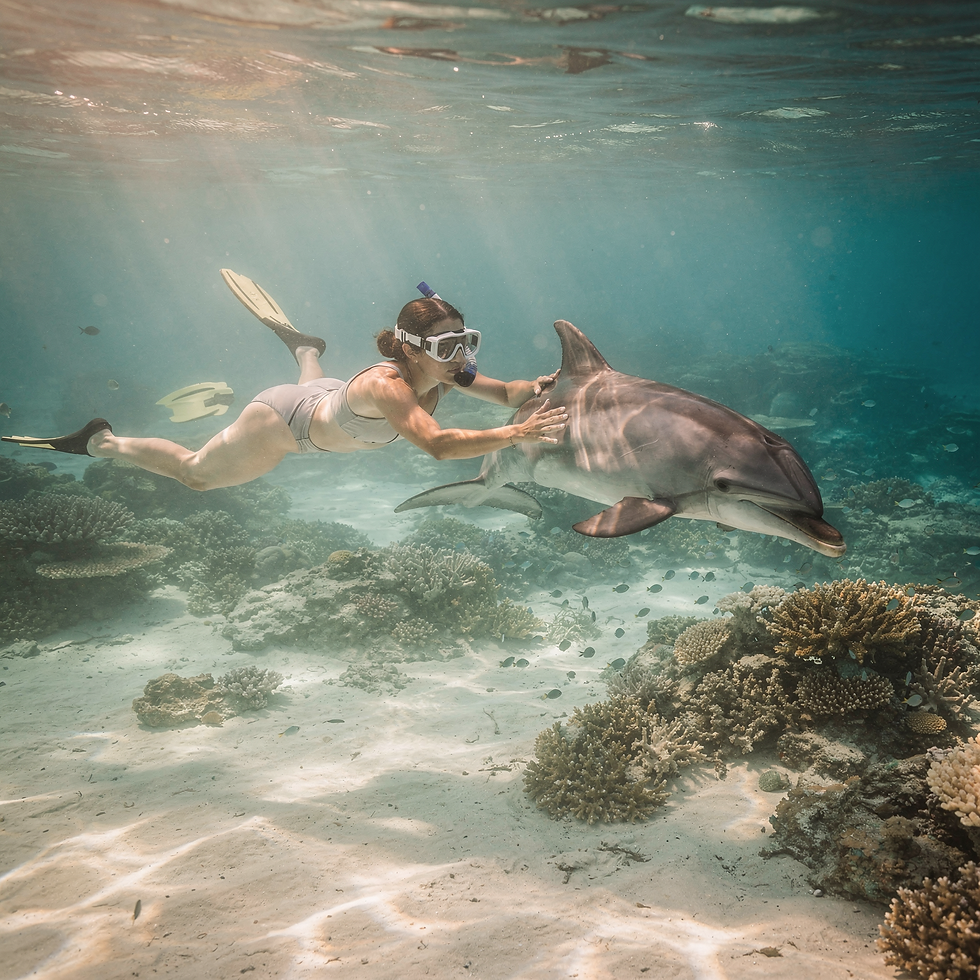
Divers can still explore some of the Red Sea’s most famous reefs, while others may enjoy snorkelling with dolphins, wellness sessions, spa treatments or time relaxing on deck. Evenings become moments for connection and storytelling rather than simply preparation for the next dive briefing.
In many ways, this reflects a wider shift happening across adventure travel.
For a new generation of travellers, luxury is no longer defined only by comfort or exclusivity.
Instead, it lies in authentic moments, emotional memories and shared experiences.
Scuba diving remains one of the most extraordinary ways to explore our planet. Yet its future may not be defined solely by how deep we dive or how many dives we complete.

Comments