Guide · France
Champagne or Bordeaux for a Company Wine Trip
Champagne is close to Paris and works as a day trip or one night. Bordeaux needs three nights or more, and gives a team a city, vineyards and the Atlantic coast.
Champagne from Paris
About 45 min by train
Bordeaux from Paris
About 2 h by train
Time needed
1 night or 3 nights
Plan around
Harvest weeks
The short answer
Choose by the time you have. If the team is already in Paris and can give up one or two days, go to Champagne. The fast train reaches Reims in about 45 minutes, so nobody loses a day to travel.
If wine country is the main reason for the trip, go to Bordeaux. It is a full destination with a walkable city, several wine regions within an hour or so, and the Atlantic coast nearby. Plan three nights at least, because the vineyards are spread out and a coach day can be long.
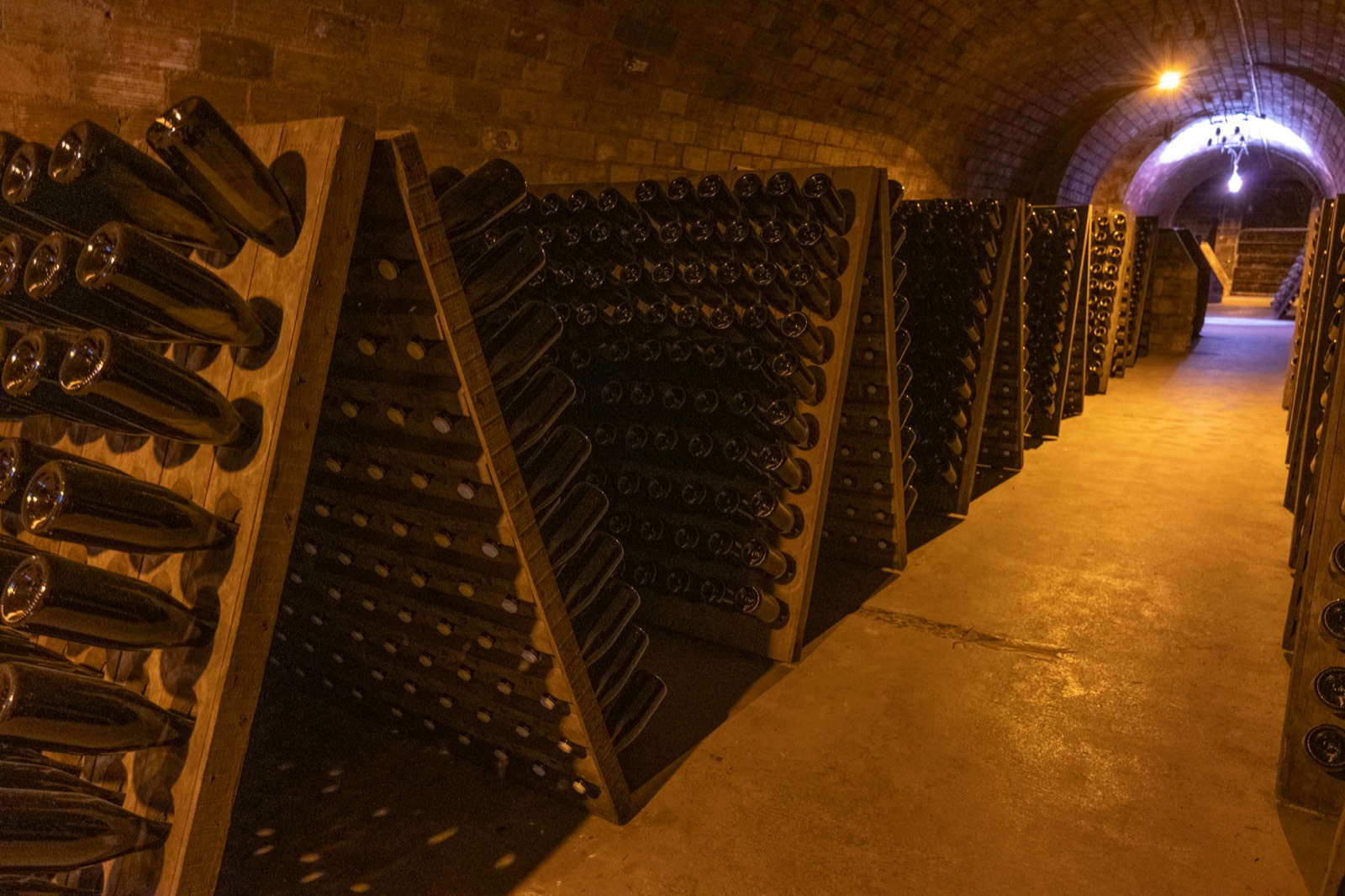
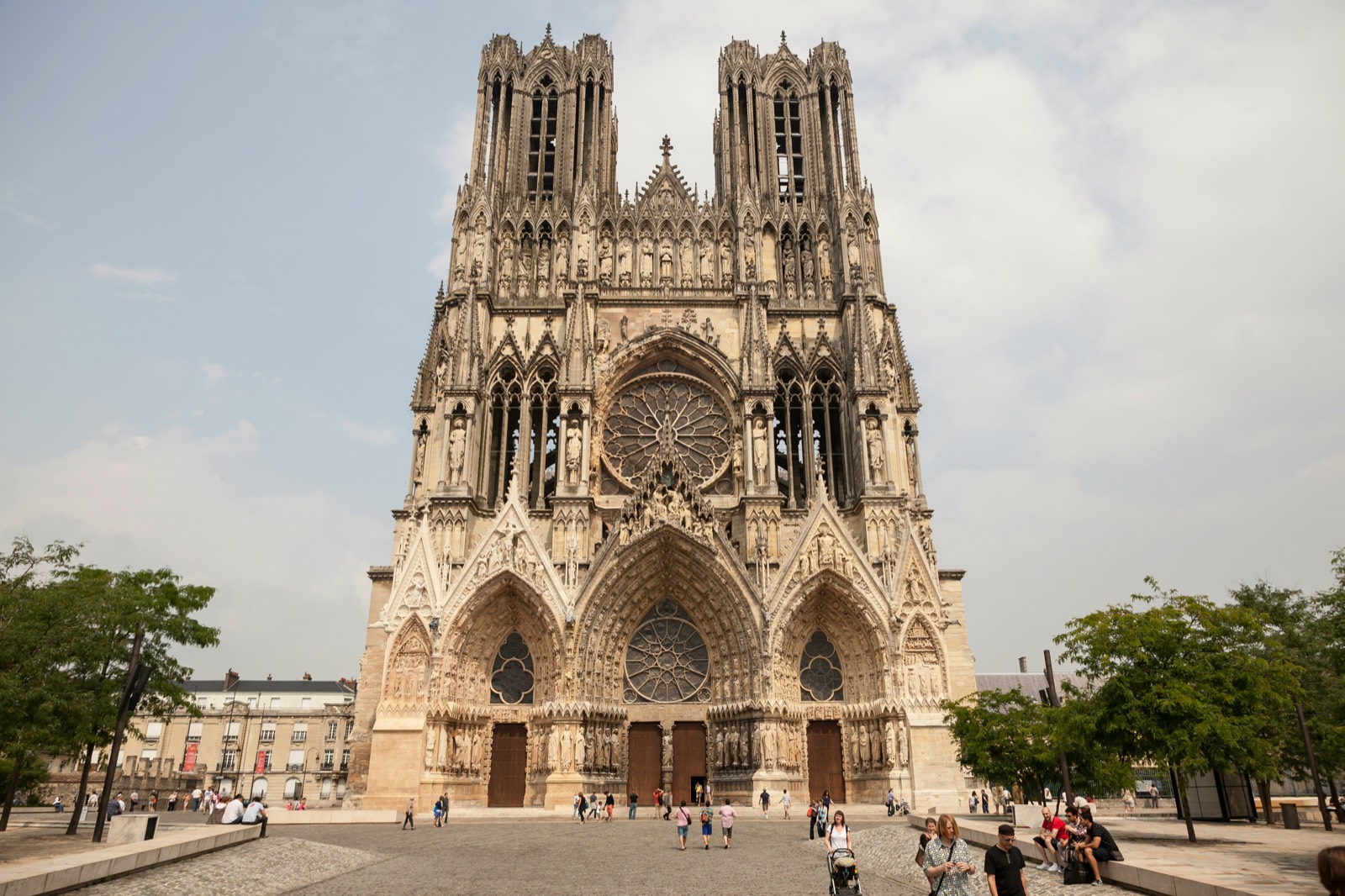
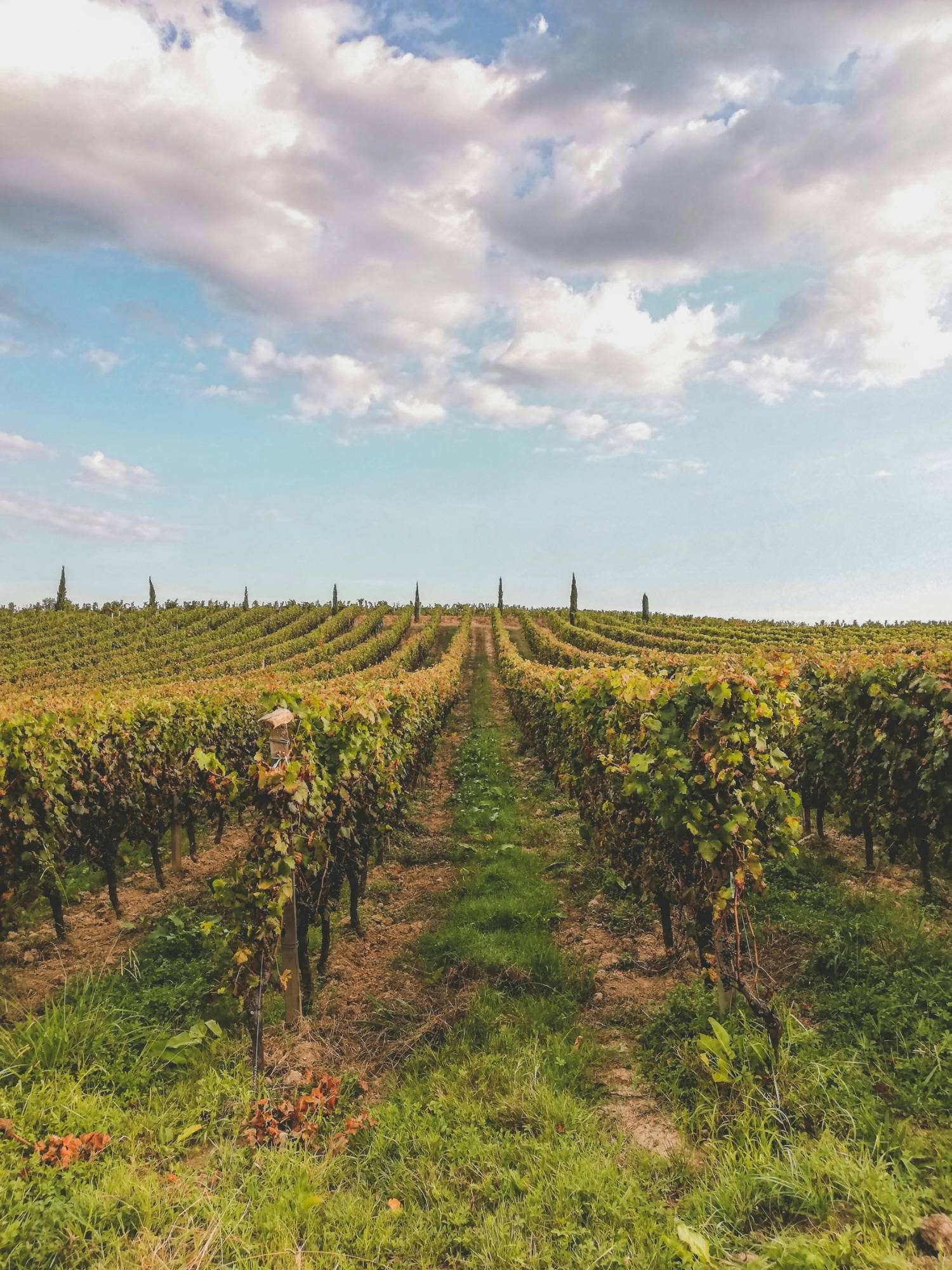
Side by side
| Champagne | Bordeaux | |
|---|---|---|
| Main towns | Reims, Épernay | Bordeaux, Saint-Émilion |
| From Paris | About 45 min to Reims | About 2 h |
| Trip length | A day, or 1–2 nights | 3 nights or more |
| Wine | Sparkling | Mostly red, also white and sweet |
| The visit | Chalk cellars under the towns | Estates spread across regions |
| UNESCO listing | Hillsides, houses and cellars | Saint-Émilion, Bordeaux old port |
| Beyond wine | Reims Cathedral, Paris close by | Old town, wine museum, coast |
| Good months | May–October | May–June, Sept–Oct |
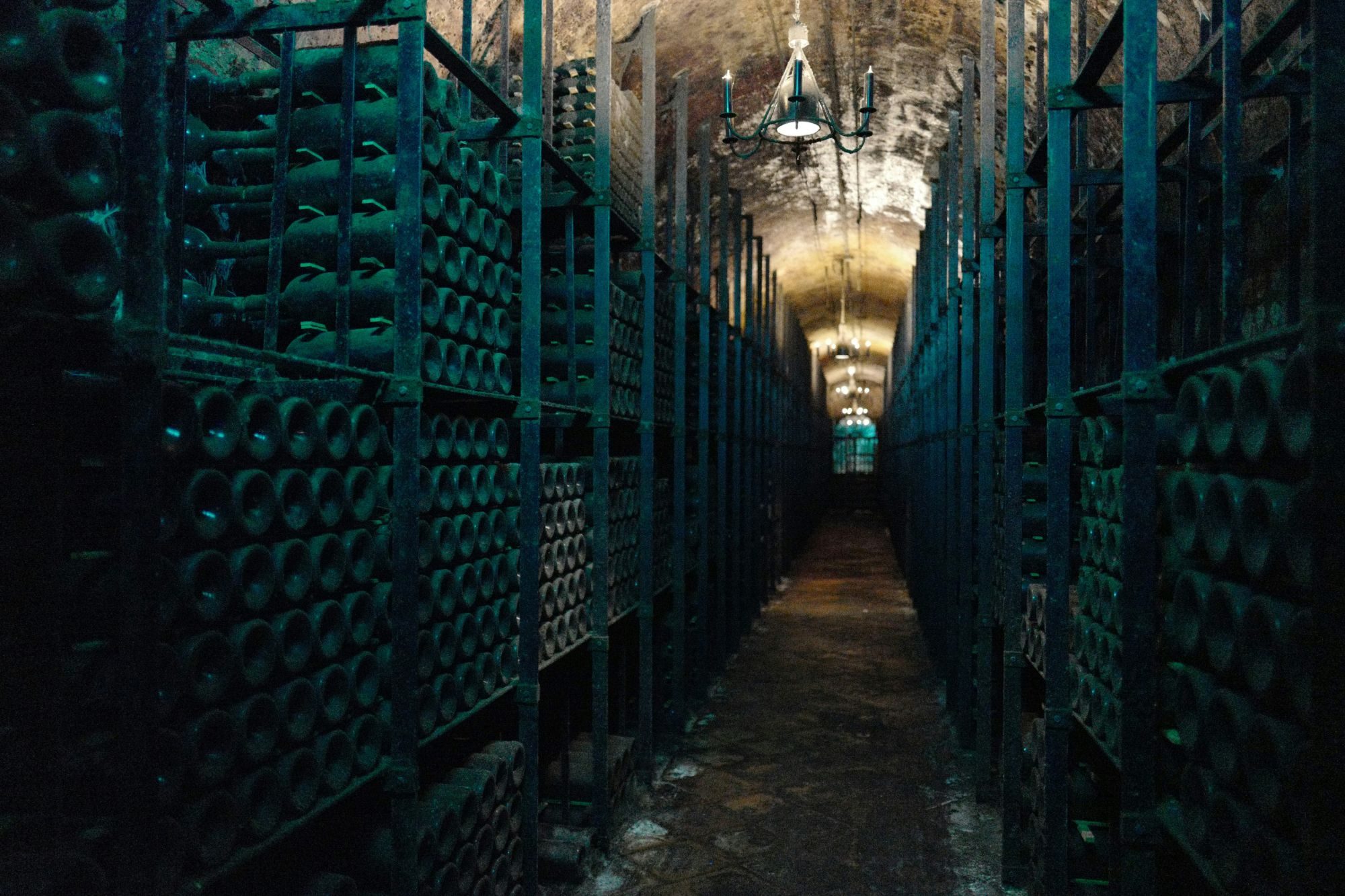
Champagne with a team
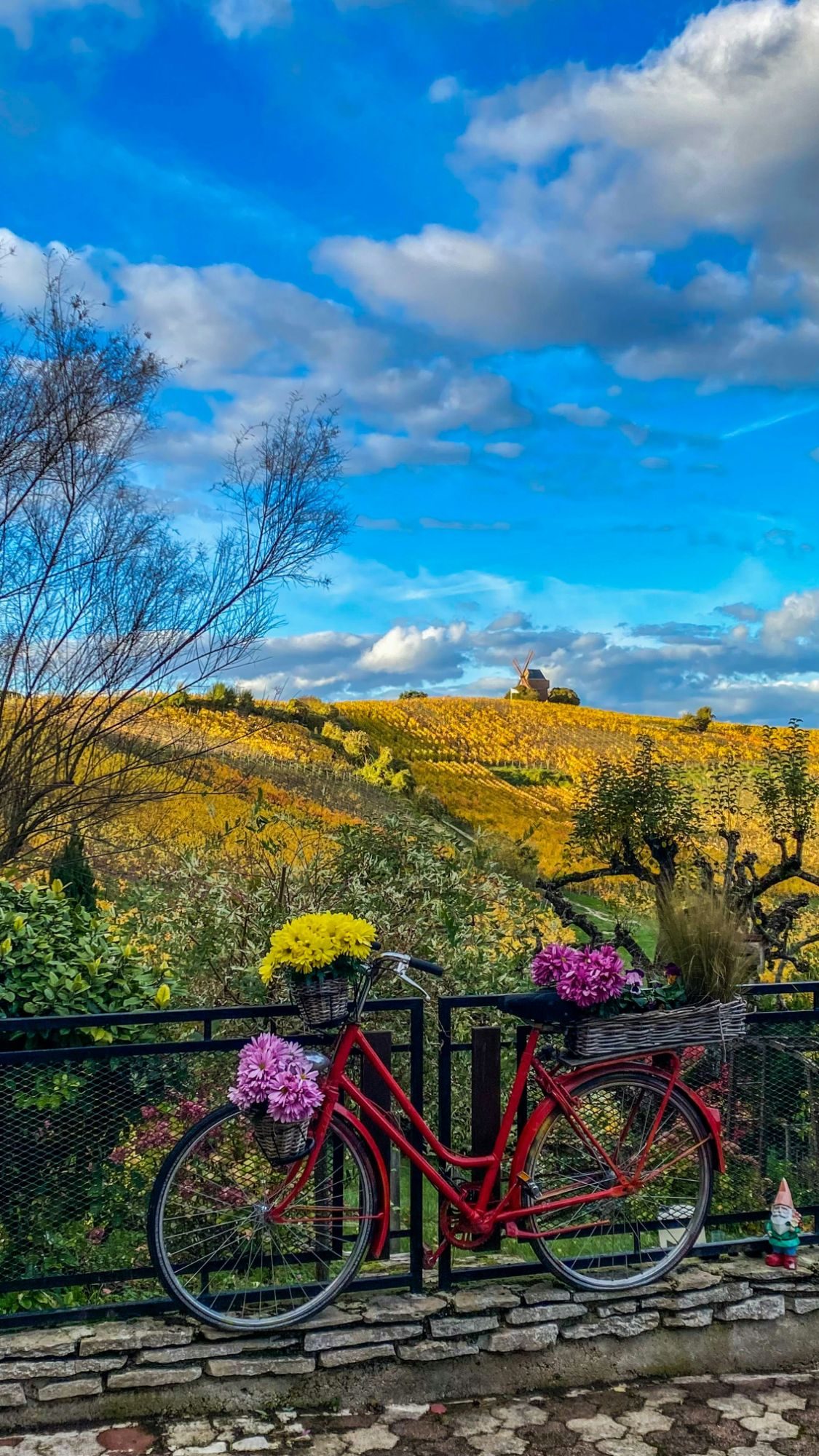
Reims is the larger town and the natural first stop. Its Gothic cathedral is where French kings were crowned, and it stands a short walk from the center. Épernay, about 40 minutes south by road, is known for the Avenue de Champagne, a street lined with the historic houses. Between them lie the hillside vineyards around Hautvillers.
UNESCO listed the Champagne hillsides, houses and cellars in 2015. The cellars are the highlight for most groups. Many are cut into the chalk underground and stay cool all year, at around 50°F, so tell people to bring a jacket even in July. Cellars usually mean steep stairs, so ask about mobility needs before you choose a visit.
A visit normally ends with a tasting. For a mixed group, the history of the cellars and how the bottles are made holds up well without a glass in hand.
See team trips to Champagne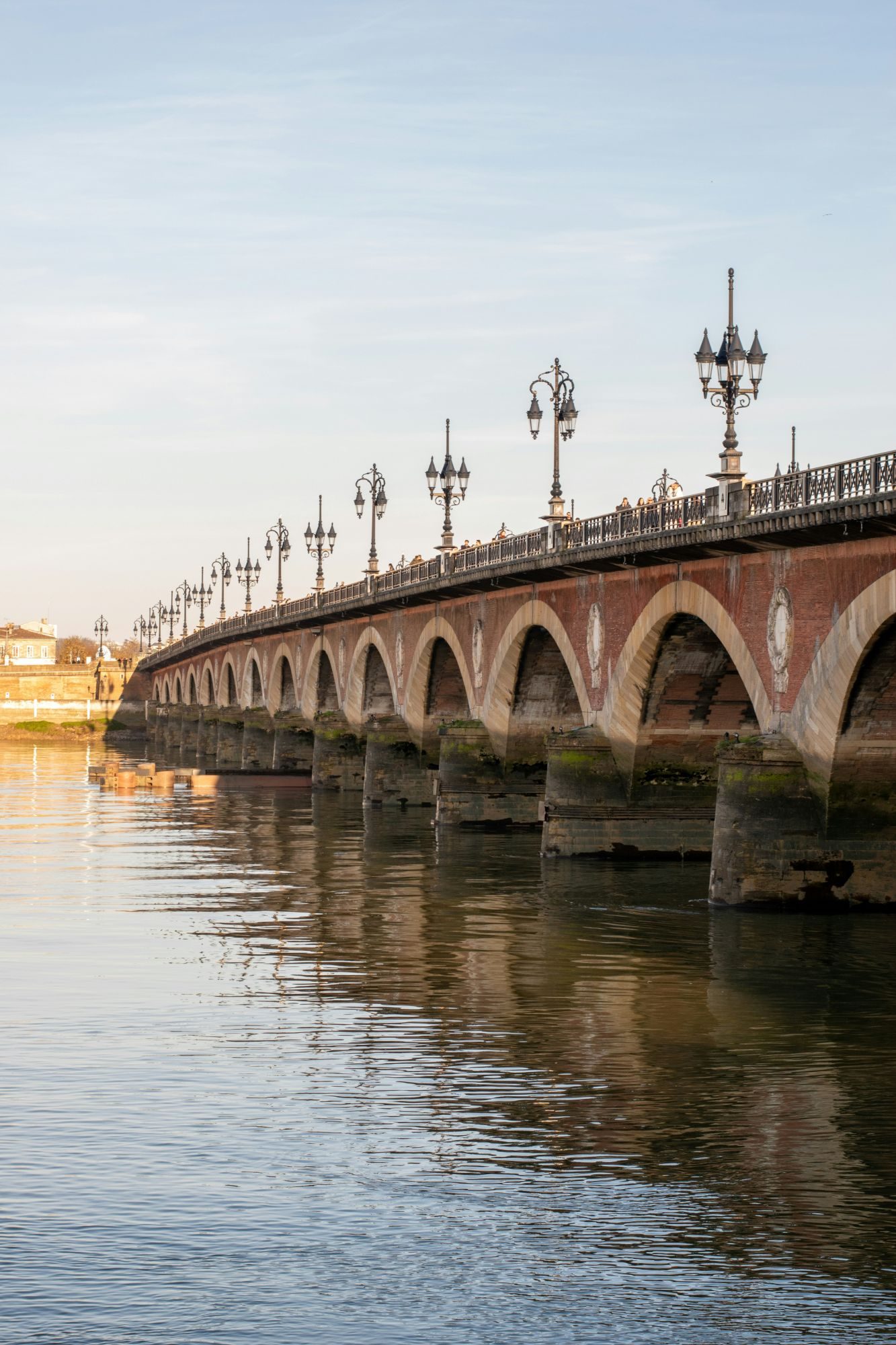
Bordeaux with a team
The city gives the trip a base. The riverfront and old town are listed by UNESCO as the Port of the Moon, and most of the center can be covered on foot. La Cité du Vin, a wine museum that opened in 2016, is a good first afternoon because it explains the region before the group goes out to see it.
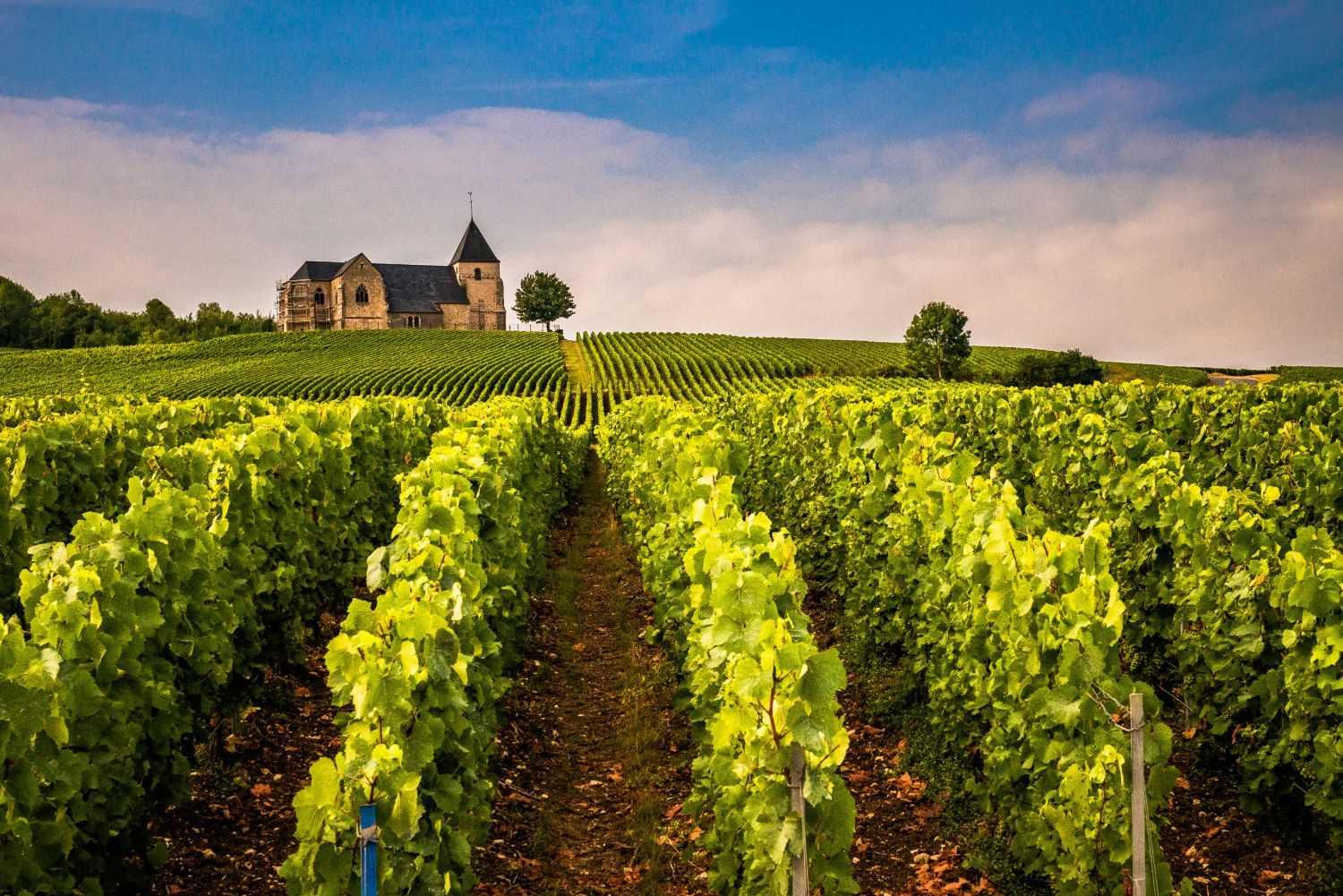
Saint-Émilion sits about 35 kilometers east of the city and takes roughly 35 minutes by regional train. It is a medieval village surrounded by vineyards, and UNESCO listed the area in 1999. The Médoc runs north of Bordeaux along the Gironde estuary. A team can see one region a day, so do not try to fit both into one afternoon.
For a change from wine, the Atlantic coast is about an hour from the city, with oysters on Arcachon Bay and the great sand dune at Pilat.
See team trips to Bordeaux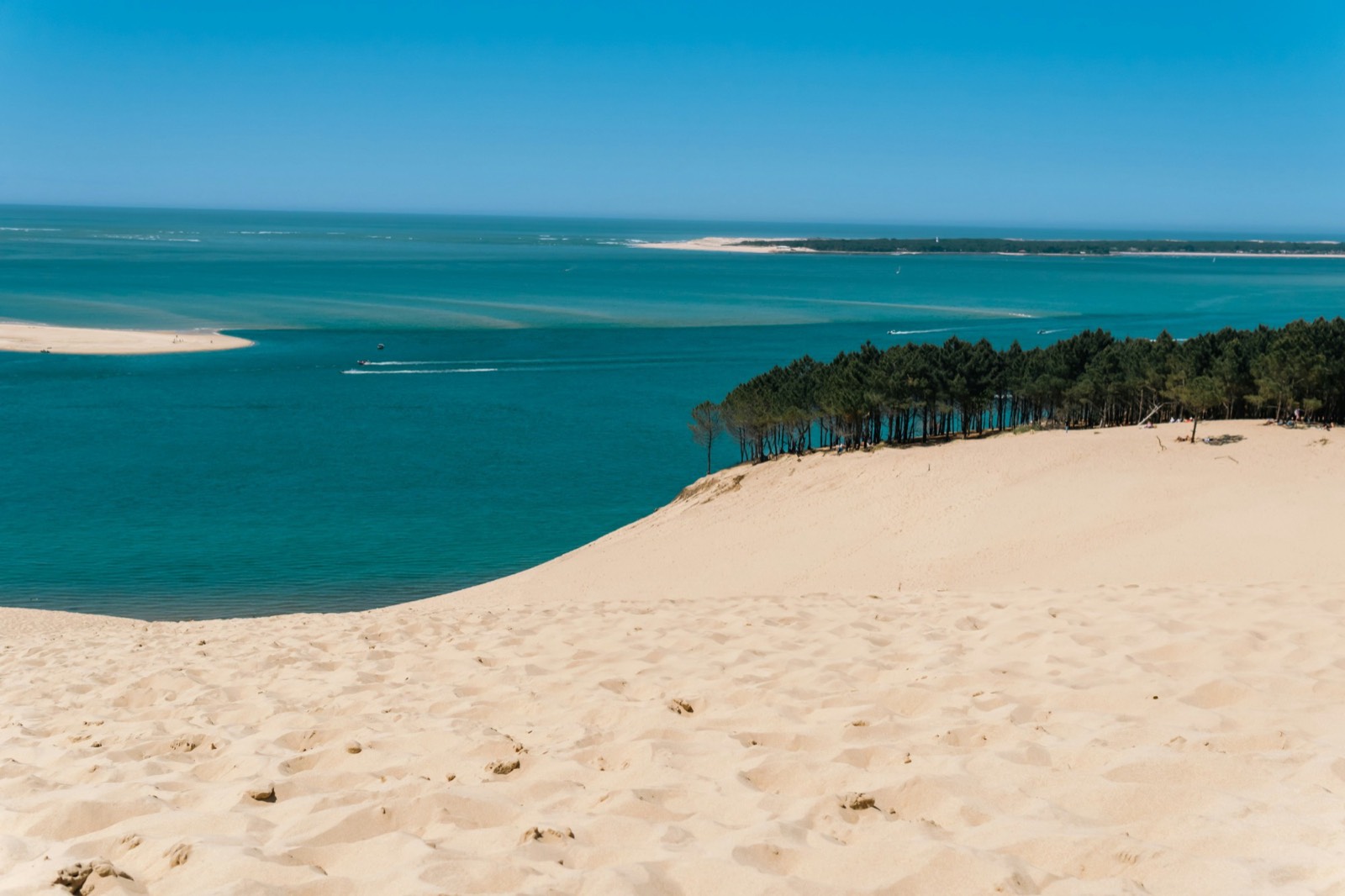
Group size and logistics
Cellars and tasting rooms are often smaller than hotel ballrooms. A group of 12 usually moves as one. A group of 30 usually splits in two or three, with staggered start times and a different guide for each.
- Use one private coach, and check that it can reach the site. Some vineyard roads are narrow.
- Pick flat shoes. The streets of Saint-Émilion are steep and cobbled.
- Allow time between visits. A tasting with a large group always runs long.
- Reserve a private room for dinner, since many village restaurants are small.
- Check opening days. Some estates do not receive groups on weekends.
When to go
Late spring and early fall are the most comfortable. June gives long days and green vineyards. September and October bring color and harvest activity.
Plan around the harvest. In Champagne it usually falls in late August and September, and the dates are set each year. In Bordeaux it usually runs from September into October, and hot years start earlier. Estates are busiest at that time and some limit visits, although others welcome groups to watch the picking. Ask before you fix your dates.
Winter is quiet and many estates reduce their hours. The cellars in Champagne still work well then, since the temperature underground does not change.
Guests who do not drink
A company wine trip has to work for everyone on the list. Some colleagues do not drink, and some cannot. Tasting should always be optional, and nobody should have to explain why they are passing.
- Offer a non-alcoholic choice at every tasting and every dinner.
- Show the spit bucket at the start, so that tasting without drinking is normal.
- Put cellar history, vineyard walks and food at the center of the day.
- Check your company’s alcohol policy with HR before you share the program.
- Use a private coach. Nobody drives after a tasting.
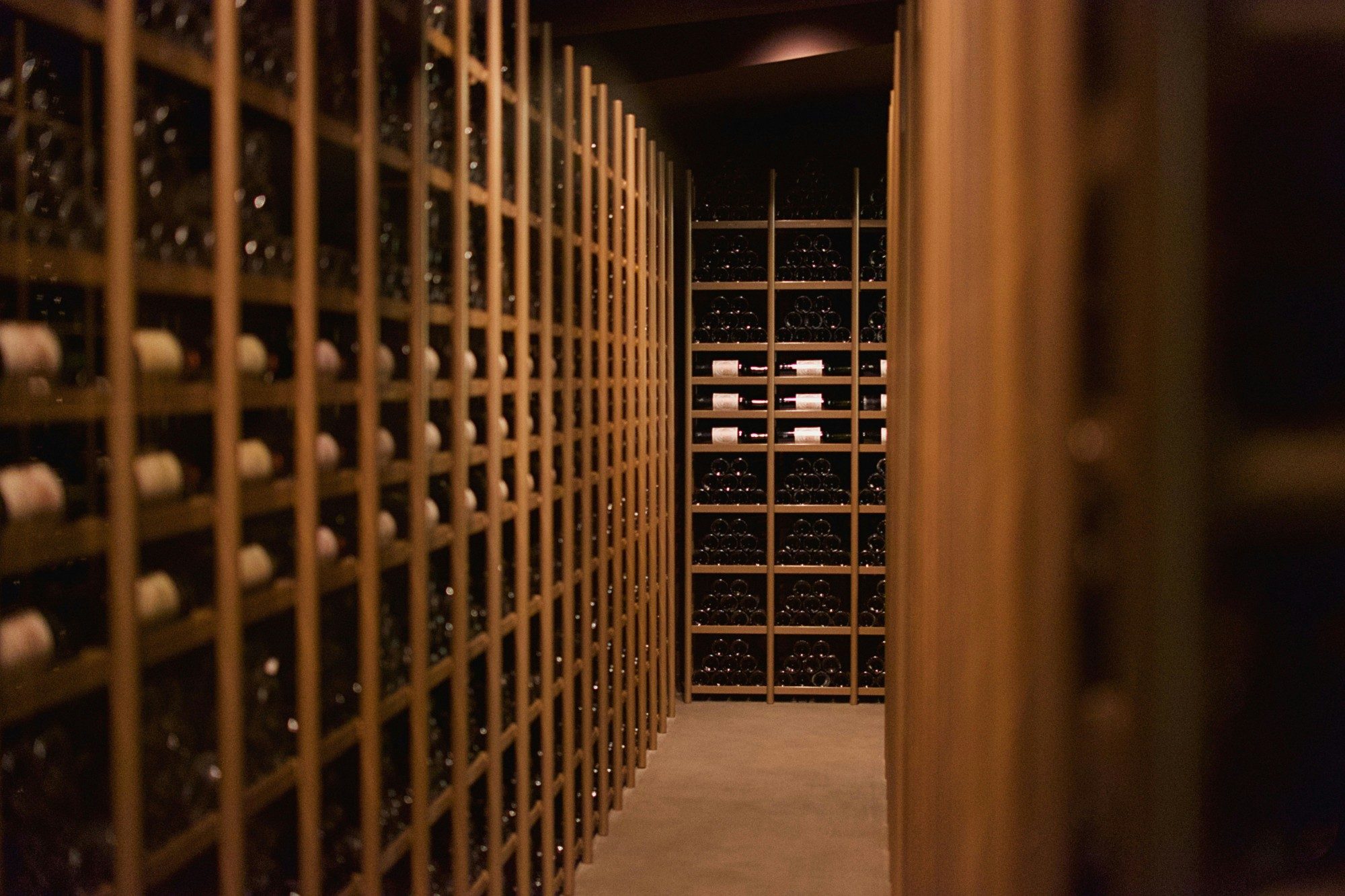
Sample program: 2 days in Champagne
- Day 1. Morning fast train from Paris to Reims. Cathedral with a guide. Cellar visit and tasting. Team dinner.
- Day 2. Coach to Épernay and the Avenue de Champagne. Vineyard walk near Hautvillers. Train back to Paris.
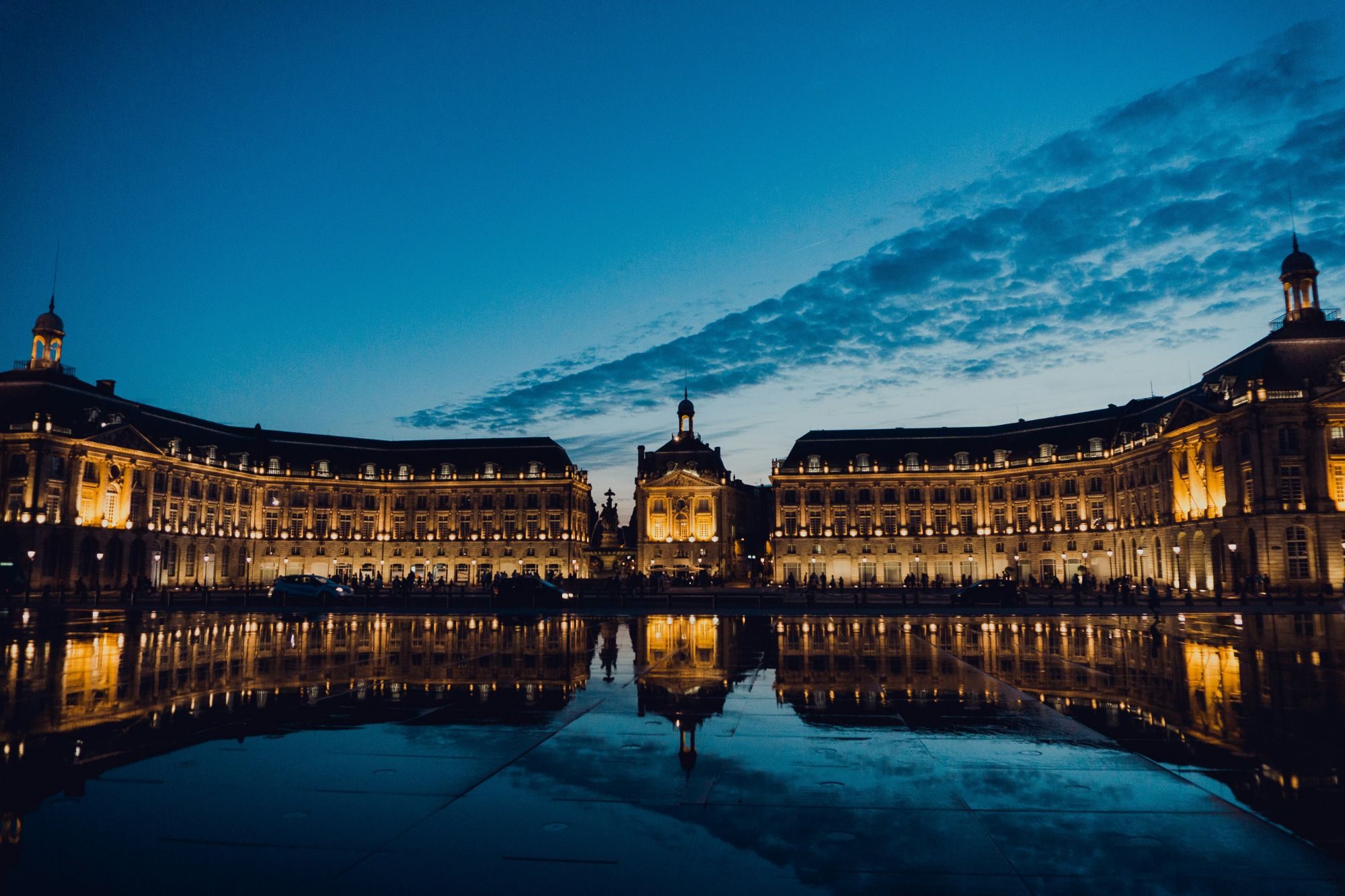
Sample program: 4 days in Bordeaux
- Day 1. Train from Paris to Bordeaux. Walk in the old town. Welcome dinner.
- Day 2. Morning session. Afternoon at La Cité du Vin. Evening by the river.
- Day 3. Saint-Émilion: village walk, estate visit and tasting.
- Day 4. Arcachon Bay and the dune at Pilat. Return to Paris or fly home.
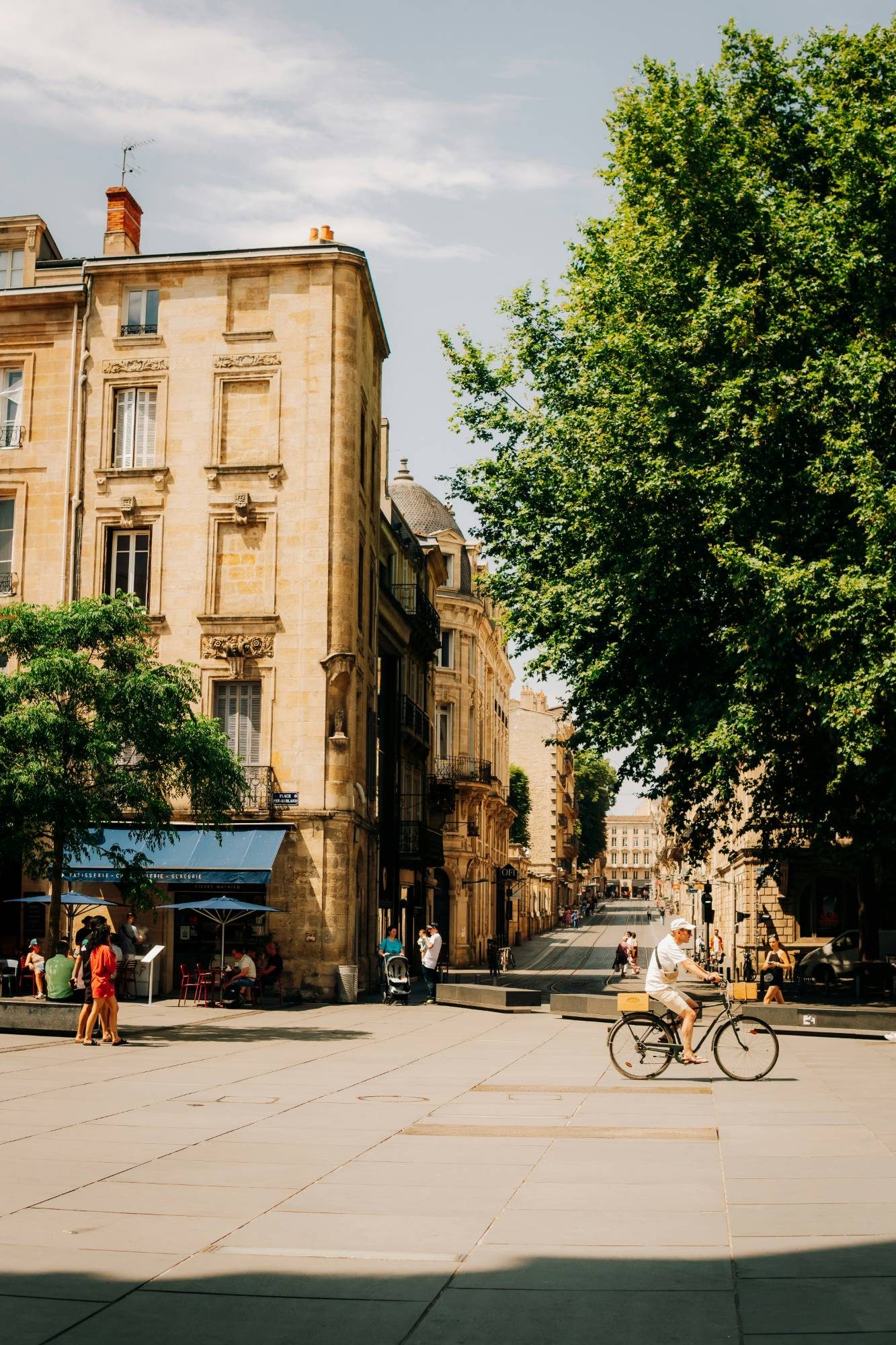
What we handle
We plan either region as one program, on its own or added to a stay in Paris. Please drink responsibly. Tastings are for guests of legal drinking age.
- Fast train seats or private coaches from Paris
- Hotel room blocks and rooming lists
- Cellar and estate visits with tastings
- Licensed local guides
- Team dinners and private rooms
- One project manager and a 24/7 emergency line
FAQ
- Is Champagne or Bordeaux better for a company trip?
- Champagne suits a short add-on from Paris. Bordeaux suits a trip of three nights or more with wine as the main theme.
- Can we visit Champagne as a day trip from Paris?
- Yes. The fast train reaches Reims in about 45 minutes. One night gives time for Épernay as well.
- How large a group can visit a cellar?
- It depends on the site. Groups of about 30 usually split in two or three with staggered times.
- Are there direct flights from the U.S. to Bordeaux?
- There is no regular nonstop service. Groups connect in Europe or take the train from Paris, about two hours.
- When is harvest?
- Late August and September in Champagne. September into October in Bordeaux, earlier in hot years.
- What about colleagues who do not drink?
- Tasting is always optional. We arrange non-alcoholic choices and build the day around cellars, vineyards and food.
- How much does a company wine trip cost?
- Price is on request. Send your group size and dates for a quote.