Guide · Egypt
Is Egypt Safe for a Company Group Trip? What to Check Before You Book
The U.S. State Department rates Egypt Level 2, Exercise Increased Caution, as the U.S. Embassy reported in March 2026. It says Do Not Travel to the North and Middle Sinai and parts of the Western Desert. Read the current text, plan around the risks it names, and put a duty-of-care plan in writing.
U.S. advisory
Level 2 of 4 (March 2026)
Do Not Travel
North and Middle Sinai, parts of the Western Desert
Visitors in 2025
About 19 million
Tourist police
Dial 126
The short answer
Whether to send a team to Egypt is a decision for your company’s own risk process. This guide sets out what official sources say, the risks that matter most for a group, and the checks an HR or travel manager can run before signing.
Advisories change. Every fact below is dated, and each official source is linked so you can read the current version.
What the U.S. travel advisory says
In a security alert dated March 9, 2026, the U.S. Embassy in Cairo said the State Department’s advisory for Egypt remained at Level 2, Exercise Increased Caution. Level 2 is the second of four levels. The advisory names terrorism as the main reason.
The same advisory says Do Not Travel to the North and Middle Sinai and to parts of the Western Desert, including the areas near the border with Libya. The usual group route of Cairo and Giza, Luxor, Aswan, the Nile between them and the Red Sea coast around Hurghada lies outside those areas.
Other governments publish their own advice, and it differs in detail. Companies with staff of several nationalities should read each relevant government’s advice.
How many people visit
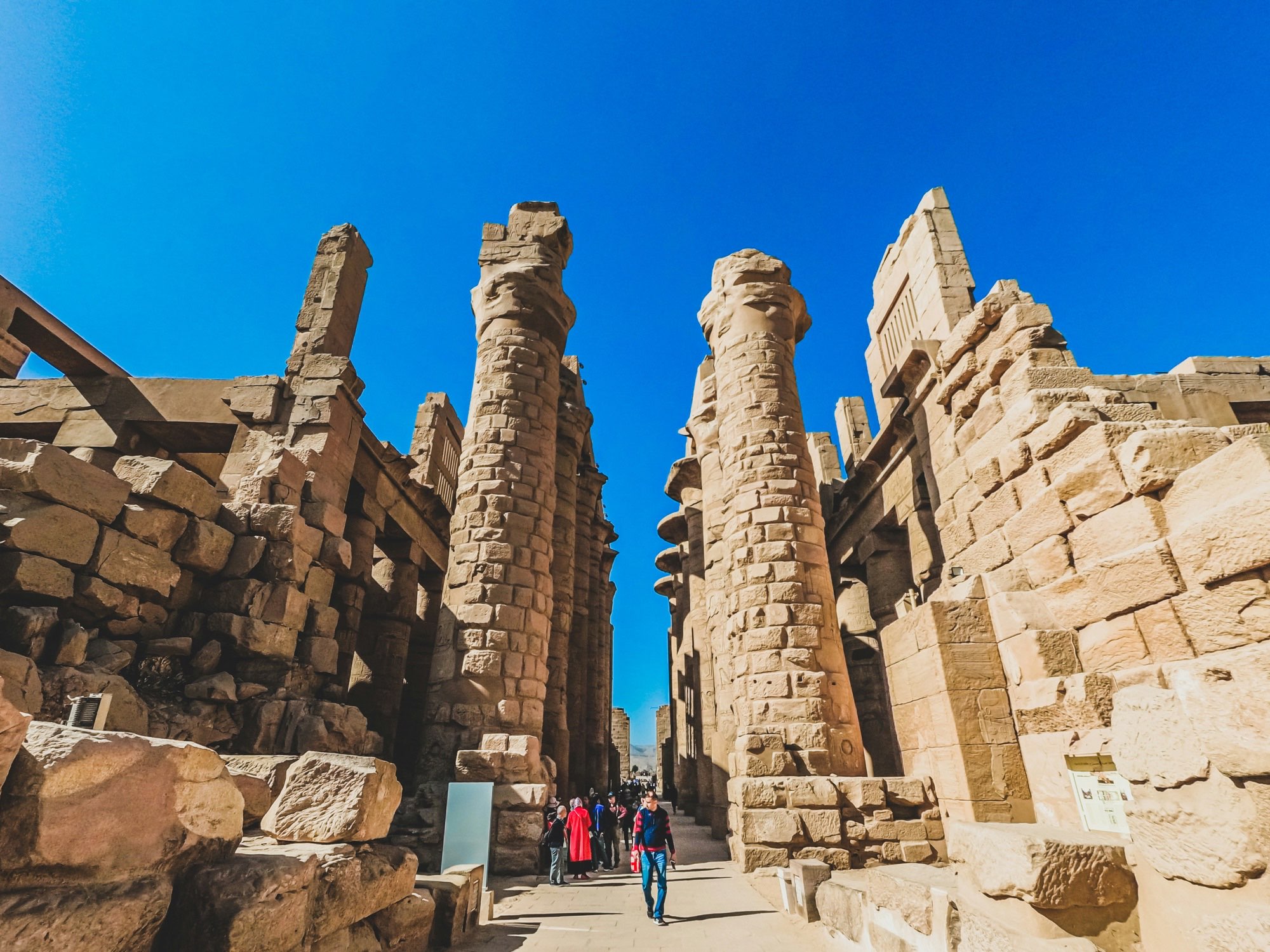
Egypt’s Ministry of Tourism and Antiquities reported about 19 million international visitors in 2025, a record, up from 15.8 million in 2024. Most arrived through the airports of Cairo, Hurghada, Sharm El-Sheikh and Marsa Alam.
Visitor numbers show where people go. They do not measure the risk for a specific group, so base the decision on official advice and on the program itself.
The risks that matter most for a group
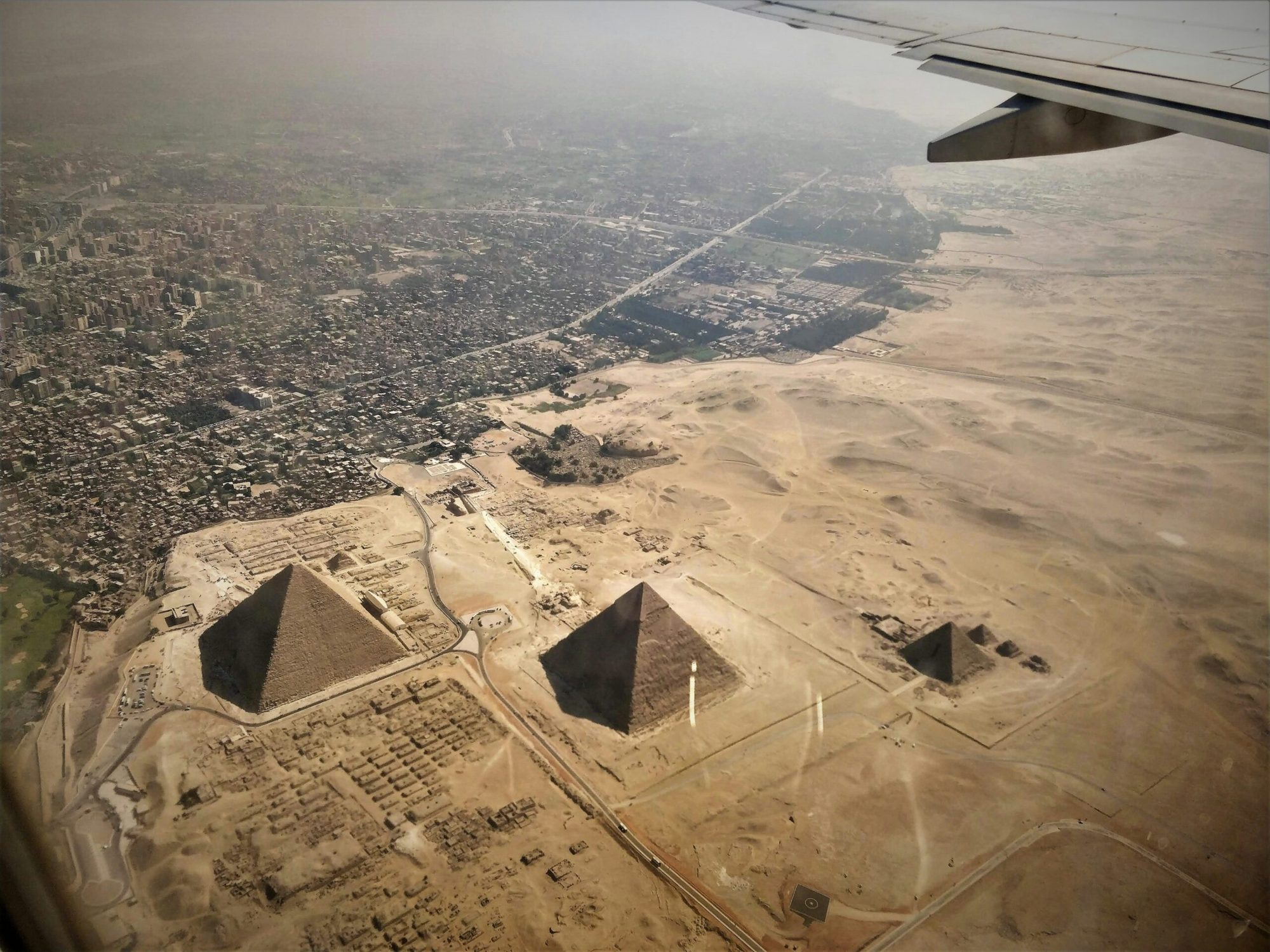
- Heat. Upper Egypt passes 100°F from May to September, and the big sites are in the open. Plan visits early, carry water, and build in shade and rest.
- Road travel. Driving conditions differ from the U.S. Ask for licensed vehicles with seat belts and professional drivers, and avoid long road transfers after dark. Domestic flights cover the longest legs.
- Food and water. Drink bottled or treated water. The CDC recommends hepatitis A and typhoid vaccines for most travelers to Egypt, on top of routine vaccines.
- Crowds and touts. Popular sites are busy, and pressure selling is common. A licensed guide keeps the group together and deals with it.
- Regional events. The March 2026 alert warned that flights could be delayed or canceled depending on regional airspace. Leave a buffer day before any fixed departure, such as a boat.
Health and medical care
Each traveler should see a doctor or a travel clinic at least a month before departure, to review routine and travel vaccines. The CDC lists hepatitis A and typhoid for most travelers to Egypt.
Medical care is better in Cairo and Alexandria than in remote areas, and a serious case may need evacuation. That makes medical and evacuation cover the most important lines in any insurance policy.
Travelers should carry prescription medicines in their original packaging, with a copy of the prescription. Some medicines that are legal in the U.S. are controlled in Egypt, so check before departure.
Local laws and customs to brief
- Do not photograph military sites, police, bridges or government buildings.
- Drones need a permit and can be confiscated on arrival.
- Dress modestly at mosques and churches. Women cover their hair in mosques.
- Alcohol is served in hotels, on boats and in licensed restaurants.
- Laws and attitudes toward LGBTQI+ people are restrictive, and the State Department advises caution. Brief travelers privately and with respect.
- Carry a copy of your passport at all times.
Insurance
Boreas Cruises strongly recommends travel insurance for every guest, with at least $100,000 of emergency medical cover, and requires dive insurance for anyone who scuba dives. Add medical evacuation cover, and buy at the time of booking, because cancellation benefits often depend on buying soon after the first payment.
Read the exclusions. Many policies do not cover areas under a Do Not Travel advisory. Your HR or risk team should review the cover as part of its duty of care.
A duty-of-care checklist for HR
- Read the current State Department advisory, and keep a dated copy in the trip file.
- Enroll every traveler in STEP, the State Department’s Smart Traveler Enrollment Program, to receive alerts.
- Confirm insurance for each traveler, with medical and evacuation cover, and check the exclusions.
- Collect emergency contacts, medical needs and passport copies before departure.
- Get the full program in writing, with every road transfer and its timing.
- Name one person on the ground responsible for the group, and a 24/7 number.
- Share the local emergency numbers: police 122, ambulance 123, tourist police 126.
- Agree in advance how the program changes if the advisory changes.
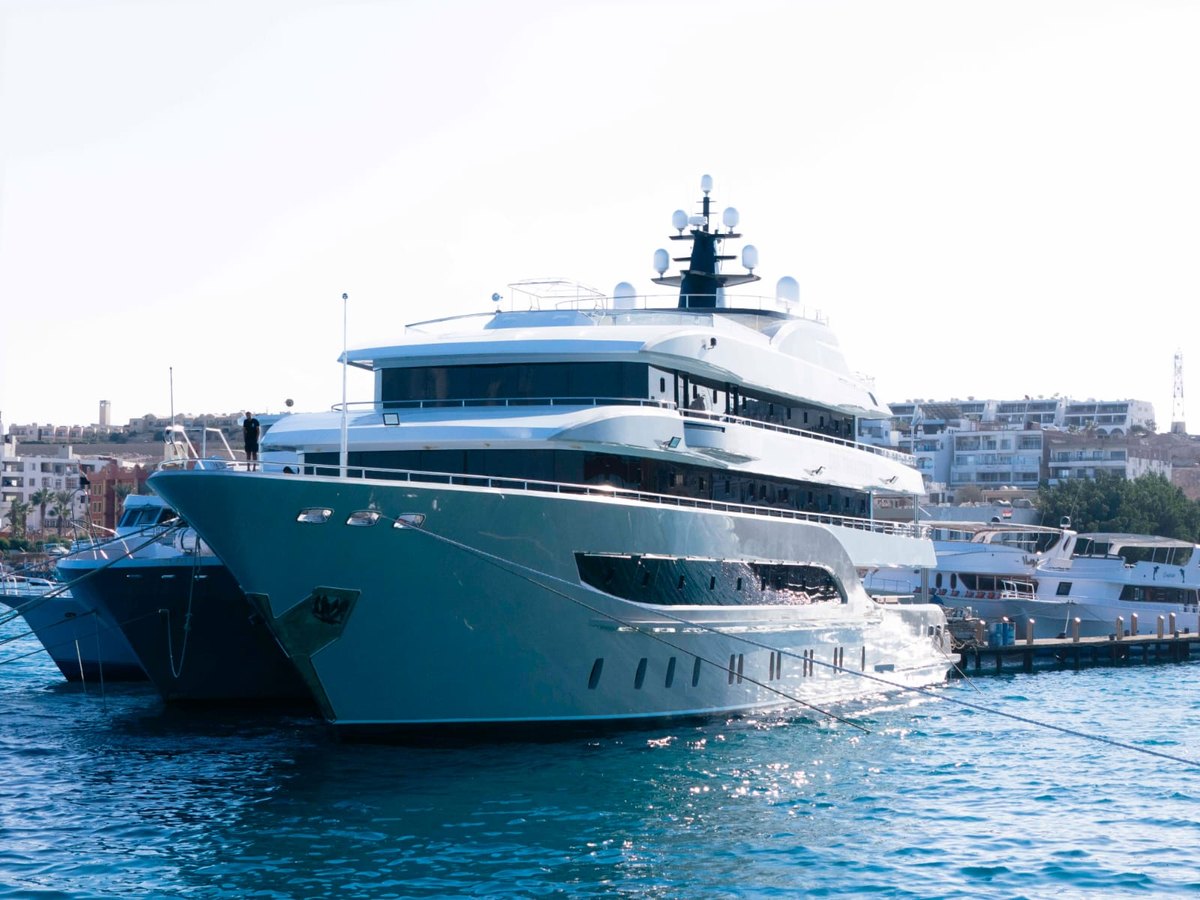
How we run group trips in Egypt
Our family and Boreas Cruises have worked in Egypt for 30 years and welcome 1,200 guests a year. The operations team is based in Hurghada and Marsa Alam, and U.S. clients contract with our own U.S. agency, an ASTA member (No. 900400775).
For each group, we plan the route around the current advisory, use licensed Egyptologists at the monuments, book domestic flights for the long legs, and run a 24/7 emergency line for the whole trip. We brief every group before departure.
See team trips to EgyptFAQ
- Is it safe to travel to Egypt right now?
- Read the current U.S. State Department advisory. In March 2026 the U.S. Embassy reported Level 2, Exercise Increased Caution, with Do Not Travel areas in Sinai and the Western Desert.
- Are Cairo, Luxor and the Red Sea in the Do Not Travel areas?
- No. That guidance covers the North and Middle Sinai and parts of the Western Desert. Check the current text before you travel.
- What vaccines do we need for Egypt?
- The CDC recommends routine vaccines plus hepatitis A and typhoid for most travelers. See a travel clinic at least a month ahead.
- Can we drink the tap water in Egypt?
- Drink bottled or treated water. Hotels and boats provide it.
- What insurance does a group need for Egypt?
- Medical and evacuation cover for every traveler. Boreas Cruises recommends at least $100,000 of emergency medical cover.
- What are the emergency numbers in Egypt?
- Police 122, ambulance 123, tourist police 126.
- Is Egypt safe for women travelers?
- Many women travel to Egypt, including women’s groups. Verbal harassment is reported in crowded places. Dress modestly and stay with the group and the guide.